Private Giant Cell Arteritis Specialist in London
Giant cell arteritis (GCA), also known as temporal arteritis, is an inflammatory condition affecting blood vessels that usually occurs in people over the age of 50.
It can cause symptoms including a new headache, scalp tenderness, jaw pain when chewing, visual symptoms, fatigue, fever, weight loss and raised inflammatory markers.
GCA requires careful assessment because inflammation affecting blood vessels supplying the eyes can lead to serious visual complications if not recognised and treated promptly.
Some patients with GCA also have polymyalgia rheumatica (PMR), causing pain and stiffness around the shoulders, neck, hips and thighs.
Dr Animesh Singh offers consultant-led GCA assessment and treatment in London for patients with suspected or established giant cell arteritis, including diagnostic uncertainty, relapse, steroid-related concerns and specialist treatment decisions.
Private GCA Assessment at a Glance
Consultant-led assessment for suspected or established giant cell arteritis
Assessment of new headache, scalp tenderness, jaw symptoms and visual concerns
Review of raised inflammatory markers and previous investigations
Access to specialist imaging pathways where clinically appropriate
Assessment of relapse, steroid reduction and treatment-related concerns
Experience within a specialist GCA, vasculitis and complex inflammatory disease service
★★★★★ Highly rated by patients on Doctify and Google, with 800+ patient reviews

Dr Animesh Singh is a Consultant Rheumatologist and General Internal Medicine Physician at the Royal Free Hospital, where he is Clinical Lead for Rheumatology. He offers private assessment and treatment in London for patients with suspected or established giant cell arteritis, including new headache, scalp tenderness, jaw symptoms, visual concerns, raised inflammatory markers, relapse during treatment, steroid-related concerns and uncertainty about diagnosis.
Giant cell arteritis requires careful specialist assessment because symptoms can vary and early recognition is important, particularly when there are concerns about visual complications or large-vessel involvement.
He is highly rated by patients on Doctify and Google, with more than 800 patient reviews.
Important: When Giant Cell Arteritis Needs Urgent Assessment
Giant cell arteritis can sometimes affect the blood vessels supplying the eyes. Recognising symptoms early is important because prompt assessment and treatment may help reduce the risk of serious complications.
Seek urgent medical advice if you have:
sudden loss of vision or blurred vision
new double vision
a new headache with visual symptoms
jaw pain or fatigue when chewing alongside a new headache
scalp tenderness with a new headache
If you have sudden visual symptoms or are worried about possible vision-threatening GCA, please seek urgent medical attention through NHS 111, 999, A&E or your local emergency eye service.
Routine appointment enquiries, email and WhatsApp should not be used for emergency symptoms.

Recognising Possible Giant Cell Arteritis
Giant cell arteritis (GCA) can present in different ways. Some patients develop classic symptoms such as a new headache and scalp tenderness, while others may have less typical symptoms involving the eyes, jaw or larger blood vessels.
Recognising the pattern of symptoms is important because early assessment and treatment can help reduce the risk of serious complications.
🔹 New Headache
A new headache, particularly in someone over the age of 50, can be an important symptom of GCA.
The headache may:
affect the temples or side of the head
feel different from previous headaches
be persistent or worsening
🔹 Scalp Tenderness
Some people with GCA notice tenderness of the scalp.
This may cause discomfort when:
brushing or washing hair
wearing a hat
touching the scalp
GCA can affect blood vessels supplying the eyes.
Symptoms requiring urgent assessment include:
blurred vision
double vision
temporary visual loss
sudden loss of vision
🔹 Systemic Symptoms
Some patients experience symptoms affecting the whole body, including:
fatigue
fever
night sweats
reduced appetite
unintentional weight loss
feeling generally unwell
🔹 Large Vessel Symptoms
In some patients, GCA affects larger blood vessels rather than only the arteries around the head.
This may present with:
persistent unexplained inflammation
limb discomfort with activity
differences in blood pressure between arms
other vascular symptoms
Specialist assessment helps determine whether symptoms represent cranial GCA, large-vessel GCA or another inflammatory condition.
PATTERNS
Understanding the Different Patterns of Giant Cell Arteritis
Giant cell arteritis is not always the same in every patient. It can affect different blood vessels and present with different combinations of symptoms.
Understanding these patterns helps guide appropriate investigation and treatment.
-
Cranial Giant Cell Arteritis (Temporal Arteritis)
Cranial GCA affects arteries supplying structures around the head, including the temporal arteries.
Typical symptoms may include:
new headache
scalp tenderness
jaw symptoms
visual symptoms
This form of GCA is particularly important to recognise because involvement of blood vessels supplying the eye can threaten vision.
Temporal arteritis is an older term often used to describe GCA because the temporal arteries are commonly involved.
However, GCA can affect blood vessels beyond the temples, meaning the term does not describe every pattern of disease.
-
Large Vessel Giant Cell Arteritis
Some patients have inflammation affecting larger arteries, including vessels supplying the arms, chest and other areas.
Large vessel GCA may present with:
persistent inflammatory symptoms
constitutional symptoms such as fatigue or weight loss
less typical headache symptoms
ongoing raised inflammatory markers
Assessment may require additional vascular imaging when large vessel involvement is suspected.
-
Giant Cell Arteritis and Polymyalgia Rheumatica
PMR and GCA are closely related inflammatory conditions and can occur together.
Some patients with GCA develop:
shoulder stiffness
hip stiffness
difficulty with movement
morning stiffness
Conversely, patients with PMR are assessed for symptoms that may suggest GCA.
Understanding the relationship between these conditions is an important part of specialist rheumatology assessment.
Specialist CARE
Specialist Giant Cell Arteritis Care at the Royal Free
Dr Animesh Singh works within a specialist centre for giant cell arteritis, vasculitis and complex inflammatory disease at the Royal Free Hospital.
As Clinical Lead for Rheumatology, he has experience assessing patients with suspected GCA, including those with:
new or atypical symptoms
diagnostic uncertainty
raised inflammatory markers without a clear explanation
relapse during treatment
concerns about long-term steroid therapy
possible large vessel involvement
Modern GCA care involves more than simply starting steroids. It requires confirming the diagnosis, assessing disease pattern, monitoring response, managing relapse risk and reducing treatment-related complications.
Where clinically appropriate, assessment may involve specialist imaging pathways and consideration of steroid-sparing treatments.
Dr Singh provides consultant-led assessment focused on understanding the individual patient, clarifying the diagnosis and developing an appropriate treatment strategy.
How Giant Cell Arteritis Is Assessed
Giant cell arteritis is diagnosed by combining symptoms, examination findings, blood tests and, where appropriate, imaging.
There is no single test that confirms or excludes GCA in every patient. Specialist assessment is important because the likelihood of GCA depends on the overall clinical picture.
-
A rheumatology assessment will consider:
the nature and timing of symptoms
headache characteristics
scalp tenderness
jaw symptoms
visual symptoms
symptoms suggesting PMR
features suggesting large vessel involvement
-
Blood tests can help assess inflammation and monitor disease activity.
These may include:
CRP
ESR
full blood count
other investigations depending on the clinical situation
Inflammatory markers need to be interpreted alongside symptoms and examination findings.
-
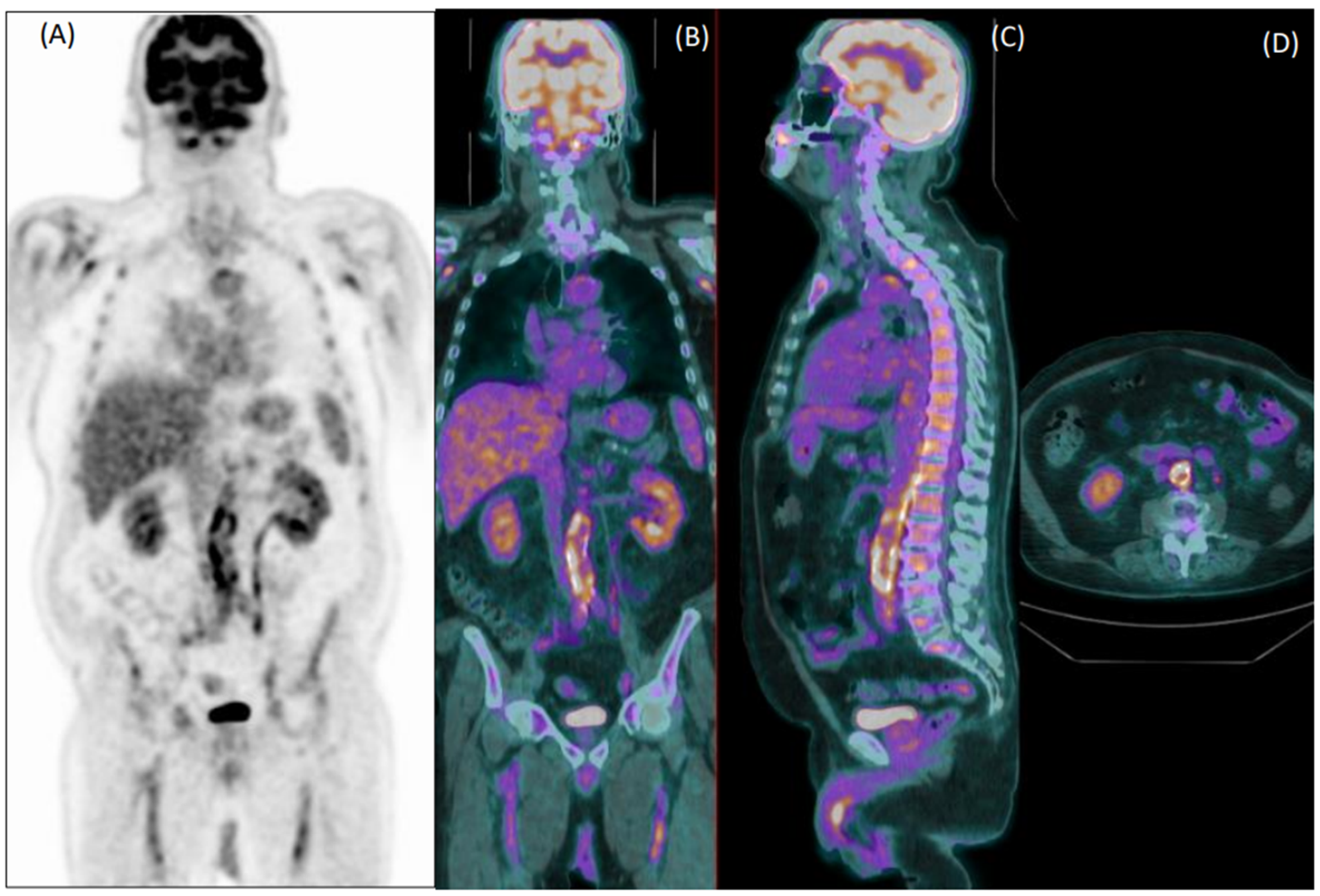
Imaging can play an important role in supporting the diagnosis and assessing the pattern of blood vessel involvement.
Depending on the clinical situation, this may include:
vascular ultrasound
MRI
FDG-PET/CT
CT angiography
The choice of imaging depends on the symptoms, suspected disease pattern, availability and specialist expertise.
-
Patients with established GCA may require reassessment if symptoms return, inflammatory markers change or steroid reduction becomes difficult.
The aim is to distinguish:
active GCA
treatment-related symptoms
other causes of inflammation or pain
This allows treatment decisions to be individualised.
Treatment Options for Giant Cell Arteritis
Treating Inflammation While Protecting Long-Term Health
The aim of GCA treatment is to control blood vessel inflammation, prevent complications and reduce the risks associated with prolonged corticosteroid treatment.
Treatment decisions are personalised depending on disease severity, symptoms, relapse history and individual risk factors.
-
Corticosteroids remain a central part of GCA treatment.
They are usually started promptly when GCA is suspected because untreated inflammation can cause serious complications, particularly affecting vision.
The steroid dose is then gradually reduced according to symptoms, inflammatory markers and clinical response.
-
Because treatment can involve prolonged steroid exposure, monitoring is an important part of GCA care.
This may include assessment of:
bone health and fracture risk
blood pressure
glucose levels
cardiovascular risk factors
infection risk
other steroid-related complications
The aim is not only to control GCA but also to protect long-term health.
-
Some patients may benefit from additional steroid-sparing treatment, particularly where reducing steroid exposure is difficult or relapses occur.
Methotrexate may be considered in selected situations depending on the individual patient.
-
Tocilizumab is a targeted treatment that may be considered in selected patients, particularly those with relapsing or refractory GCA or where steroid reduction is challenging.
The decision to use specialist therapies depends on factors including disease activity, previous treatment response, relapse pattern and overall health.
Treatment aims to achieve sustained control of inflammation while minimising unnecessary steroid exposure.
Concerned About Giant Cell Arteritis or Unsure About Your Diagnosis?
If you have symptoms that may suggest giant cell arteritis, concerns about relapse, difficulty reducing steroids or uncertainty about your diagnosis and treatment plan, a specialist rheumatology assessment can help clarify the next steps.
Dr Singh offers consultant-led GCA assessment in London, with experience in complex inflammatory disease, vasculitis and specialist treatment pathways.

When to Consider a Private Giant Cell Arteritis Appointment
A private rheumatology assessment may be helpful if you:
have symptoms suggestive of GCA and want specialist assessment
have uncertainty about your diagnosis
have persistent raised inflammatory markers
have been diagnosed with GCA and want a second opinion
experience symptoms returning during steroid reduction
are concerned about long-term steroid treatment
require assessment of possible large-vessel involvement
would like specialist advice on treatment options and monitoring
Early specialist input can help confirm the diagnosis, guide appropriate investigations and develop an individualised management plan.

Why See Dr Singh Privately?
Giant cell arteritis can sometimes present in complex ways, and the diagnosis and treatment plan may require careful specialist assessment.
Dr Singh combines experience in tertiary rheumatology care with a patient-centred approach to help individuals understand their diagnosis, investigations and treatment options.
Patients may seek a private assessment for:
rapid diagnostic clarification
a second opinion
complex or atypical symptoms
relapse management
steroid-related concerns
advice about specialist treatments
His approach focuses on careful clinical assessment, targeted investigations and clear explanations to help patients make informed decisions about their care.
Consultant Rheumatologist and General Internal Medicine Physician at the Royal Free Hospital
Clinical Lead for Rheumatology at the Royal Free Hospital
Experience within a specialist GCA, vasculitis and complex inflammatory disease service
Specialist interest in diagnostic uncertainty, relapse management and steroid-related complications
Experience with fast-track GCA assessment pathways
Experience with vascular imaging approaches and specialist treatment pathways
Experience with steroid-sparing treatments including methotrexate and tocilizumab where clinically appropriate
Highly rated by patients on Doctify and Google, with more than 800 patient reviews
Private Giant Cell Arteritis Appointments in London
Consultant-Led GCA Assessment Across London
Dr Singh offers private assessment and treatment for giant cell arteritis at clinics across London.
Appointments are available for patients with suspected or established GCA, including:
new symptoms suggestive of GCA
diagnostic uncertainty
second opinions
relapse during treatment
steroid-related concerns
raised inflammatory markers
possible large-vessel involvement
Self-pay and insured patients are welcome. Self-pay patients can book directly without a GP referral, while insured patients should check whether their policy requires referral, pre-authorisation or approval for investigations and treatments.
Private GCA appointments in Central London, near Harley Street, Marylebone and Oxford Circus.
This clinic may be particularly suitable for patients seeking a Central London location, international patients or those travelling from outside London.
Private GCA appointments at the Royal Free Hospital in Hampstead.
This location provides access to a major tertiary rheumatology environment and Dr Singh’s experience in GCA, vasculitis and complex inflammatory disease.
Private GCA appointments in West London, convenient for Chiswick, Richmond, Ealing, Acton, Hammersmith and surrounding areas.
This clinic may be suitable for patients who prefer local West London access.

Common Questions About Giant Cell Arteritis
These answers cover some of the questions patients often ask when seeking assessment for suspected or established giant cell arteritis.
They address common concerns about symptoms, diagnosis, investigations, treatment, steroid management and when specialist rheumatology input may be helpful.
-
Common symptoms of GCA can include:
a new headache, particularly after the age of 50
scalp tenderness
jaw pain or fatigue when chewing
visual disturbance
symptoms of inflammation such as fatigue, fever or weight loss
Visual symptoms require urgent medical assessment.
-
Temporal arteritis is an older term that is often used to describe giant cell arteritis.
Although the temporal arteries are commonly involved, GCA can affect other blood vessels, including larger arteries.
-
Yes.
Although headache is a common symptom, GCA can sometimes present in less typical ways, including systemic symptoms, raised inflammatory markers or features of large-vessel involvement.
-
Inflammatory markers such as CRP and ESR are useful when assessing GCA, but they must be interpreted alongside symptoms and examination findings.
A specialist assessment considers the whole clinical picture rather than relying on one result.
-
Diagnosis involves:
careful symptom assessment
clinical examination
inflammatory blood tests
vascular imaging where appropriate
consideration of alternative diagnoses
The exact investigations depend on the individual situation.
-
Some patients may benefit from vascular imaging as part of their assessment.
The choice of imaging depends on the suspected pattern of disease, symptoms, availability and specialist expertise.
This may include ultrasound, MRI, FDG-PET/CT or CT-based vascular imaging.
-
GCA can affect blood vessels supplying the eyes.
New visual symptoms such as blurred vision, double vision or visual loss require urgent medical assessment.
-
The duration of steroid treatment varies between patients.
Treatment usually involves a gradual reduction of steroids, guided by symptoms, inflammatory markers and clinical response.
-
Relapses can occur during or after steroid reduction.
A recurrence of symptoms may require reassessment to determine whether inflammation has returned and whether treatment needs adjusting.
-
Some patients require specialist advice because symptoms return during steroid reduction or because steroid-related side effects become a concern.
A rheumatology assessment can help review the diagnosis, treatment strategy and options for reducing steroid exposure.
-
Tocilizumab may be considered in selected patients, particularly those with relapsing or difficult-to-control disease or where reducing steroid exposure is challenging.
Treatment decisions depend on individual circumstances and specialist assessment.
-
Yes.
A second opinion may be helpful if there is uncertainty about the diagnosis, treatment plan, investigations or long-term management.
-
Where available, bring:
previous blood test results
scan reports
clinic letters
medication lists
details of steroid treatment
information about symptom onset and progression
If relevant, include details of headaches, jaw symptoms, visual symptoms or relapse symptoms.
-
A GP referral is not required for self-pay appointments.
If you are using private medical insurance, please check your insurer’s requirements before booking.
-
Yes. Dr Singh sees insured patients.
Please check your insurer’s requirements before booking and bring any required authorisation details.
-
Private appointments are usually available within a week.
Short-notice appointment requests may be considered where clinically appropriate.
-
Reliable patient information can help you understand giant cell arteritis, treatment options and living with the condition.
Useful resources include:
PMRGCAuk is a UK charity dedicated to supporting people affected by polymyalgia rheumatica (PMR) and giant cell arteritis (GCA). It provides patient information, support groups, helpline support and resources for people living with these conditions.
Arthritis UK provides information about giant cell arteritis, including symptoms, treatment and related conditions. It also offers support and information for people living with arthritis and inflammatory conditions.
The NHS provides general information about giant cell arteritis, symptoms, treatment and when urgent medical advice should be sought.
These resources can help you understand your condition and prepare questions for your consultation, but they should not replace personalised advice from your rheumatology team.

Ready to Arrange a Specialist Giant Cell Arteritis Assessment?
If you have symptoms that may suggest giant cell arteritis, concerns about relapse, difficulty reducing steroids or uncertainty about your diagnosis, a specialist rheumatology assessment can help clarify the next steps.
Dr Singh provides consultant-led GCA assessment in London, combining specialist rheumatology expertise with experience in complex inflammatory disease and vasculitis.