Private Vasculitis Specialist in London
Vasculitis is a group of inflammatory conditions where the immune system causes inflammation of blood vessels. Because blood vessels supply different organs, vasculitis can affect many areas of the body, including the skin, kidneys, lungs, nerves, eyes, joints and blood vessels.
Vasculitis can be difficult to recognise because symptoms vary widely and may overlap with infections, autoimmune conditions and other inflammatory diseases.
Dr Animesh Singh offers consultant-led assessment and treatment in London for patients with suspected or established vasculitis, unexplained inflammation, abnormal blood tests, possible organ involvement or uncertainty about diagnosis.
He provides specialist rheumatology assessment focused on identifying the pattern of inflammation, coordinating appropriate investigations and developing an individualised treatment plan.
Private Vasculitis Assessment at a Glance
Assessment of unexplained inflammation and abnormal blood tests
Review of possible skin, kidney, lung, nerve, eye and vascular involvement
Specialist experience in GCA, vasculitis and complex inflammatory disease
Access to targeted investigations and specialist treatment pathways where appropriate
★★★★★ Highly rated by patients on Doctify and Google, with 800+ patient reviews

Dr Animesh Singh is a Consultant Rheumatologist and General Internal Medicine Physician at the Royal Free Hospital, where he is Clinical Lead for Rheumatology.
He offers private assessment and treatment in London for patients with suspected or established vasculitis, including unexplained inflammation, abnormal blood tests, possible organ involvement, diagnostic uncertainty and requests for a second opinion.
Vasculitis can present in many different ways and may affect different organs. Careful specialist assessment is important to understand the pattern of inflammation, consider alternative diagnoses and guide appropriate investigations and treatment.
He is highly rated by patients on Doctify and Google, with more than 800 patient reviews.

Recognising Possible Vasculitis Symptoms
Vasculitis can affect different parts of the body depending on which blood vessels are involved. Symptoms can vary significantly between patients, which is why specialist assessment is often needed.
🔹 General Inflammatory Symptoms
Some patients develop symptoms that suggest inflammation throughout the body, including:
fatigue
fever
night sweats
unexplained weight loss
feeling generally unwell
🔹 Skin Symptoms
Inflammation of small blood vessels in the skin can cause:
purple spots or purpura
rashes
skin ulcers
painful skin lesions
🔹 Kidney Symptoms
Some forms of vasculitis can affect the kidneys.
Possible signs include:
blood or protein in the urine
changes in kidney function
swelling due to fluid retention
high blood pressure
🔹 Lung Symptoms
Some vasculitic conditions affect the lungs and may cause:
breathlessness
persistent cough
coughing blood
abnormal chest imaging findings
🔹 Nerve Symptoms
Inflammation affecting nerves may cause:
numbness
tingling
weakness
nerve pain
🔹 Eye and Blood Vessel Symptoms
Some forms of vasculitis can affect blood vessels supplying the eyes or larger arteries.
Symptoms may include:
visual symptoms
headaches
symptoms suggesting reduced blood flow
symptoms associated with large vessel inflammation
The pattern of symptoms, blood tests and investigations helps determine whether vasculitis is likely and what type of inflammation may be present.
Understanding Vasculitis
Vasculitis is not one single condition. It describes a group of inflammatory diseases where the immune system causes inflammation of blood vessels. Because blood vessels supply different organs, vasculitis can affect many parts of the body and symptoms can vary widely between individuals.
What does Vasculitis mean?
Blood vessels range from large arteries to very small vessels. Different types of vasculitis affect different vessel sizes and patterns of disease. The organs affected, symptoms and investigation results help specialists determine the most likely diagnosis.
There are many different forms of vasculitis and not all are listed here.
This page provides an overview rather than a complete list of every subtype. Specialist assessment is often needed because diagnosis depends on the combination of symptoms, blood tests, imaging and, in some cases, tissue assessment.
-
Large Vessel Vasculitis
Large vessel vasculitis affects the larger arteries.
Examples include:
giant cell arteritis (GCA)
other large vessel inflammatory conditions
For more information about GCA, visit our dedicated Giant Cell Arteritis page.
-
Small and Medium Vessel Vasculitis
Some forms of vasculitis affect smaller blood vessels and may involve organs such as:
kidneys
lungs
nerves
skin
Examples include ANCA-associated vasculitis, HSP and other systemic vasculitic conditions.
How Vasculitis Is Assessed
Diagnosing vasculitis requires careful assessment because symptoms can overlap with many other inflammatory, infectious and systemic conditions.
There is no single test that confirms vasculitis in every patient. The diagnosis is based on the overall clinical picture.
-
Assessment includes reviewing:
symptoms and how they have developed
affected organs
examination findings
previous medical history
response to previous treatments
-
Blood tests may help assess:
inflammation levels
immune system markers
kidney function
blood counts
possible autoimmune patterns
-
Depending on the suspected type of vasculitis, imaging may include:
ultrasound
CT or CT angiography
MRI
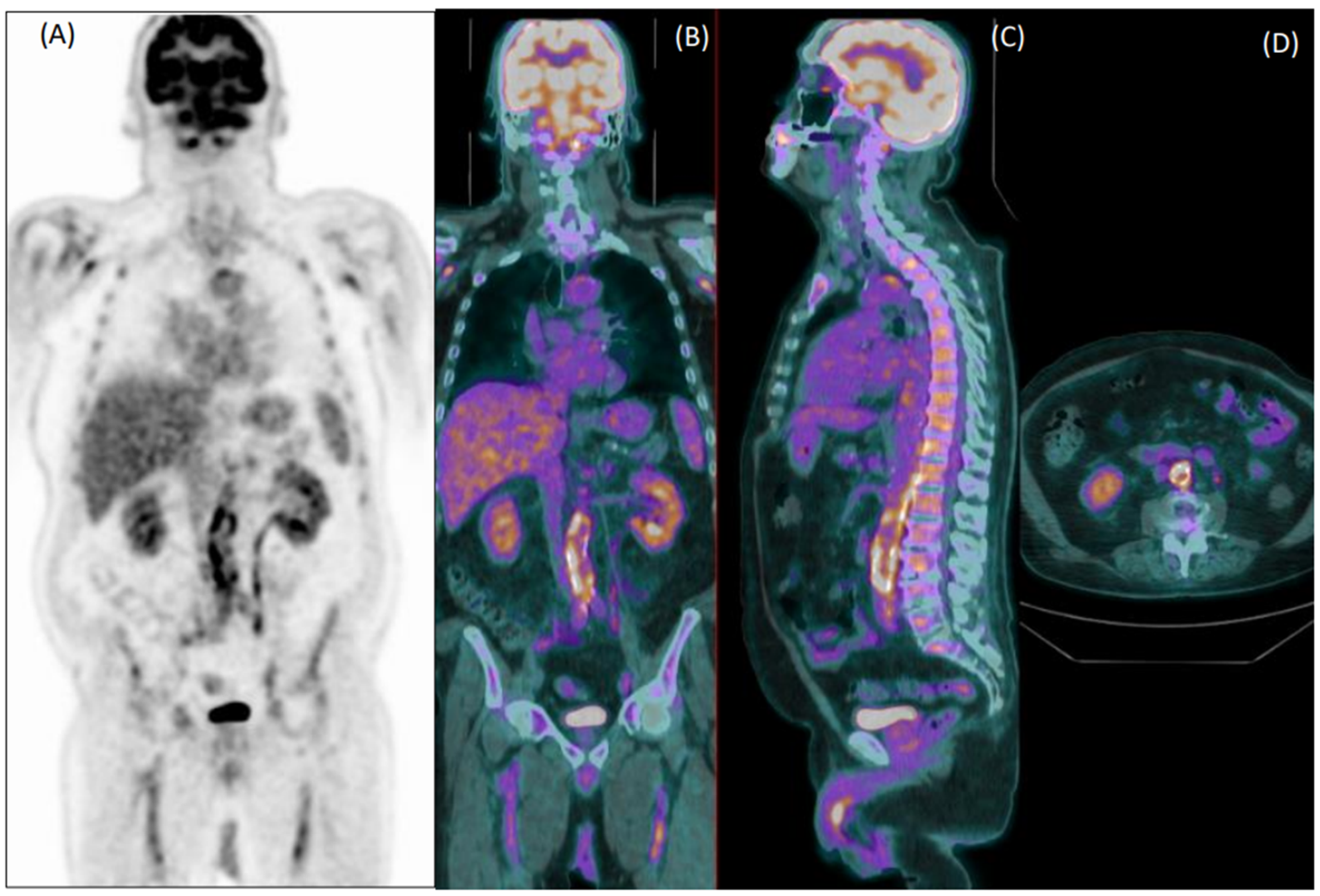
PET-CT
The choice of imaging depends on symptoms and the blood vessels or organs being assessed.
-
Because vasculitis can affect different organs, assessment may include:
urine testing and kidney assessment
lung evaluation
nerve conduction assessment
eye assessment
vascular assessment
The aim is to confirm the diagnosis, understand the extent of disease and guide treatment decisions.
Treatment Approaches for Vasculitis
Treatment depends on the type of vasculitis, the organs affected and the severity of inflammation.
The aim is to control inflammation, protect affected organs, reduce relapse risk and minimise treatment-related complications.
-
Corticosteroids are commonly used in many forms of vasculitis to rapidly reduce inflammation.
The dose and duration depend on the individual diagnosis and clinical situation.
-
Some patients require additional treatments to control inflammation or reduce reliance on steroids.
Depending on the type of vasculitis, treatments may include:
methotrexate
azathioprine
mycophenolate
cyclophosphamide in selected severe disease
-
Advances in treatment have introduced targeted therapies for selected vasculitic conditions.
Examples include biologic treatments such as rituximab or other specialist therapies depending on the diagnosis.
-
Vasculitis often requires ongoing follow-up to monitor:
disease activity
relapse
medication safety
organ protection
long-term health risks
Treatment decisions are individualised and depend on the specific pattern of vasculitis affecting each patient.
Multidisciplinary Specialist Vasculitis Care
Vasculitis can affect multiple organs, and complex cases often require input from different specialists.
Dr Singh works closely with colleagues across specialties, including:
nephrology for kidney involvement
neurology for nerve complications
dermatology for skin manifestations
respiratory specialists for lung involvement
ophthalmology where eye involvement is suspected
This collaborative approach is particularly important when vasculitis affects more than one organ system or when the diagnosis and treatment pathway are complex.
Dr Singh’s role is to coordinate the rheumatology assessment, bring together the clinical information and help develop a clear, personalised management plan alongside the appropriate specialist teams.
When Vasculitis May Need Urgent Assessment
Some forms of vasculitis can affect important organs, including the kidneys, lungs, nerves, eyes and blood vessels.
Seek urgent medical assessment if you develop symptoms such as:
sudden vision changes or loss of vision
coughing blood or significant breathlessness
severe new weakness, numbness or nerve symptoms
blood in the urine or rapidly worsening kidney problems
severe systemic symptoms such as high fever, marked fatigue or feeling acutely unwell
If you are experiencing severe or rapidly worsening symptoms, please seek urgent medical advice rather than waiting for a routine appointment.
Private appointment enquiries, email and WhatsApp should not be used for emergency symptoms.
Concerned About Vasculitis or Unexplained Inflammation?
If you have unexplained symptoms, abnormal inflammatory blood tests, possible organ involvement or uncertainty about your diagnosis, a specialist rheumatology assessment can help clarify the next steps.
Dr Singh offers consultant-led assessment for suspected or established vasculitis, including complex inflammatory presentations and cases where the diagnosis or treatment plan remains uncertain.

When to Consider a Private Vasculitis Appointment
A private rheumatology assessment may be helpful if you:
Have symptoms that may suggest vasculitis
Have persistent or unexplained raised inflammatory markers
Have abnormal autoimmune blood tests that require specialist interpretation
Have symptoms affecting multiple systems, such as skin, kidneys, lungs, nerves, eyes or blood vessels
Have uncertainty about a previous diagnosis or investigation results
Require a second opinion
Have concerns about treatment options, medication monitoring or possible relapse
Need specialist advice about a complex inflammatory condition
Vasculitis can be difficult to diagnose because symptoms may overlap with many other inflammatory and systemic conditions. Specialist assessment helps bring together symptoms, examination findings, investigations and imaging to guide an appropriate management plan.

Why See Dr Singh Privately?
Vasculitis can be a complex diagnosis because inflammation may affect different organs and symptoms can overlap with other autoimmune, inflammatory or infectious conditions.
A specialist rheumatology assessment can help provide clarity when:
symptoms are difficult to explain
investigations have produced uncertain results
several possible diagnoses are being considered
treatment decisions are complex
multiple specialists may need to be involved
Dr Singh combines experience in tertiary rheumatology care with a patient-centred approach, focusing on careful assessment, targeted investigations and clear explanations.
As a Consultant Rheumatologist and General Internal Medicine Physician, he is experienced in assessing patients with multisystem inflammatory conditions and coordinating care alongside other specialist teams when required.
The aim is not simply to treat inflammation, but to understand the underlying diagnosis and develop an individualised long-term management plan.
Consultant Rheumatologist and General Internal Medicine Physician at the Royal Free Hospital
Clinical Lead for Rheumatology at the Royal Free Hospital
Experience assessing complex inflammatory disease and suspected vasculitis
Specialist experience in giant cell arteritis and vasculitis pathways
Experience managing multisystem inflammatory presentations involving skin, kidneys, lungs, nerves, eyes and blood vessels
Collaborative working with nephrology, neurology, dermatology, respiratory and ophthalmology colleagues where required
Experience with immunosuppressive and targeted treatments where clinically appropriate
Highly rated by patients on Doctify and Google, with more than 800 patient reviews
Private Vasculitis Appointments in London
Consultant-Led Vasculitis Assessment Across London
Dr Singh offers private assessment and treatment for suspected or established vasculitis at clinics across London.
Appointments are available for patients with:
unexplained inflammation
abnormal blood tests requiring specialist interpretation
possible organ involvement
uncertainty about diagnosis
requests for a second opinion
complex inflammatory symptoms
Self-pay and insured patients are welcome. Self-pay patients can book directly without a GP referral, while insured patients should check whether their policy requires referral, pre-authorisation or approval before investigations or treatment.
Private vasculitis appointments in Central London, near Harley Street, Marylebone and Oxford Circus.
This clinic may be suitable for patients seeking a central London location or those travelling from outside London.
Private vasculitis appointments at the Royal Free Hospital in Hampstead.
This provides access to a major tertiary rheumatology environment and Dr Singh’s experience in complex inflammatory disease, GCA and vasculitis.
Private vasculitis appointments in West London, convenient for Chiswick, Richmond, Ealing, Acton, Hammersmith and surrounding areas.

Common Questions About Vasculitis
These answers cover some of the questions patients often ask when seeking assessment for suspected or established vasculitis.
They address common concerns about symptoms, diagnosis, investigations, treatment, medication monitoring and when specialist rheumatology input may be helpful.
-
Vasculitis describes a group of inflammatory conditions where blood vessels become inflamed.
Because blood vessels supply different organs, vasculitis can affect many parts of the body, including the skin, kidneys, lungs, nerves, eyes and larger blood vessels.
-
Some forms of vasculitis can be mild, while others can affect important organs and require prompt specialist assessment.
The seriousness depends on the type of vasculitis, the organs involved and how quickly treatment is started.
-
Symptoms vary depending on which blood vessels and organs are affected.
Possible features include:
fatigue
fever
weight loss
skin rashes or purpura
kidney abnormalities
lung symptoms
nerve symptoms
eye symptoms
-
Blood tests may include:
inflammatory markers such as CRP and ESR
blood counts
kidney function tests
autoimmune tests such as ANCA where appropriate
Results need to be interpreted alongside symptoms and examination findings.
-
ANCA (anti-neutrophil cytoplasmic antibody) is an antibody that can be associated with some forms of small vessel vasculitis.
A positive or negative result does not always confirm or exclude vasculitis, and results need to be interpreted in the clinical context.
-
Some patients require imaging to assess blood vessels or affected organs.
Depending on the suspected condition, this may include:
ultrasound
CT or CT angiography
MRI
PET-CT
The choice depends on the symptoms and the clinical question being investigated.
-
Some patients may require a biopsy to help confirm the diagnosis, depending on the suspected type of vasculitis and the organ involved.
The need for biopsy is assessed on an individual basis.
-
Treatment depends on the type of vasculitis, severity and organs affected.
Management may include:
corticosteroids
immunosuppressive medications
targeted treatments
monitoring for relapse and medication side effects
-
Some forms of vasculitis can relapse and require ongoing monitoring.
Symptoms, blood tests, imaging and clinical assessment are used together to guide management.
-
Yes.
A second opinion may be helpful if there is uncertainty about the diagnosis, investigations, treatment plan or long-term management.
-
Where available, bring:
previous blood test results
scan reports
clinic letters
medication lists
details of previous treatments
information about when symptoms started and how they have changed
-
A GP referral is not required for self-pay appointments.
If you are using private medical insurance, please check your insurer’s requirements before booking.
-
Yes. Dr Singh sees insured patients.
Please check your insurer’s requirements before booking and bring any required authorisation details.
-
Reliable information can help you understand vasculitis and prepare questions for your consultation.
Useful resources include:
Information and support for people affected by vasculitis, including patient resources and support networks.
Information about vasculitis, inflammatory conditions and living with arthritis-related conditions.
General information about vasculitis, symptoms and treatment.
These resources can support your understanding of vasculitis but should not replace personalised advice from your rheumatology team.

Ready to Arrange a Specialist Vasculitis Assessment?
If you have unexplained inflammation, abnormal blood tests, possible organ involvement or uncertainty about your diagnosis, a specialist rheumatology assessment can help clarify the next steps.
Dr Singh provides consultant-led vasculitis assessment in London, combining tertiary rheumatology experience with a personalised approach to diagnosis, investigation and treatment planning.
Explore related inflammatory conditions: