

Rheumatology Insights
Written by Dr Animesh Singh, Consultant Rheumatologist in London, these articles provide patient-friendly explanations of joint pain, inflammatory arthritis, gout, osteoporosis, autoimmune disease, vasculitis, blood tests and rheumatology treatments. They also include selected clinical insights and patient experiences to help explain how rheumatic conditions are assessed and managed.
Please note, these posts are for general information only and do not constitute medical advice. Dr Singh would encourage you to speak to your healthcare professional to be assessed and managed for your specific symptoms.

Adult-Onset Still’s Disease: Fevers, Rash, Joint Pain and Why Diagnosis Can Be Difficult
Adult-onset Still’s disease is a rare inflammatory condition associated with spiking fevers, rash, joint symptoms and raised ferritin. Diagnosis requires careful exclusion of infection and other serious causes, while modern treatment increasingly focuses on IL-1 and IL-6 inhibition

NSAIDs in Rheumatology: Benefits, Risks and How to Use Them Safely
SAIDs such as ibuprofen, naproxen, diclofenac and celecoxib can reduce pain and inflammation, but safe use depends on the patient, dose and duration. Dr Animesh Singh explains their benefits, limitations, interactions and important risks.

Rheumatic Disease and Cardiovascular Risk: Why Inflammation Matters Beyond the Joints
Inflammatory rheumatic disease can affect health beyond the joints. Dr Animesh Singh explains how inflammation, steroids, conventional cardiovascular risk factors and disease control fit together—and what practical prevention should involve.

Women and Autoimmune Rheumatic Disease: Why Diagnosis Can Take Time
Autoimmune rheumatic diseases disproportionately affect women, but symptoms may be fragmented, fluctuating or confused with menopause and chronic pain. Dr Animesh Singh explains why diagnosis can take time and how rheumatologists distinguish evolving disease from misleading tests and common mimics.

Colchicine: An Old Drug Still Critical in the Modern Management of Gout
A consultant rheumatologist explains how colchicine treats gout, its ancient origins, why it does not lower uric acid, gastrointestinal effects, drug interactions and important safety considerations.

Menopause and Rheumatic Disease: How Hormonal Change Can Affect Joints, Symptoms and Treatment
Menopause can affect joints, muscles, sleep, fatigue, bone health and cardiovascular risk. For women with rheumatic disease, this can make it difficult to know whether symptoms are hormonal, mechanical or due to an inflammatory flare.

Modern Assessment of Giant Cell Arteritis: Why Speed, Expertise and the Right Tests Matter
Giant cell arteritis requires rapid assessment because delayed treatment can cause irreversible visual loss. This article explains how history, examination, blood tests, expert vascular ultrasound, biopsy and modern imaging are combined in diagnosis and management.

Allopurinol and Febuxostat for Gout: When They Are Used and What Patients Should Know
Allopurinol and febuxostat are both used to lower uric acid in gout, but the choice between them is not one-size-fits-all. This article explains where each fits, what the cardiovascular considerations are, and why treat-to-target follow-up matters.

Modern Imaging in Rheumatology: When X-ray, Ultrasound, MRI, PET-CT and DECT Actually Help
A consultant rheumatologist explains when X-ray, ultrasound, MRI, PET-CT, DECT, CT and angiographic imaging actually help in inflammatory disease, and why imaging should support expert clinical assessment rather than replace it.

What Does a Positive HLA-B27 Mean?
A consultant rheumatologist explains what a positive HLA-B27 blood test can mean, how it relates to inflammatory back pain, psoriasis, uveitis and IBD, and why it is not a diagnosis on its own.

Dry Eyes, Dry Mouth and Joint Pain: Could This Be Sjögren’s Syndrome?
Could dry eyes, dry mouth and joint pain point to Sjögren’s syndrome? A consultant rheumatologist explains sicca symptoms, blood tests, connective tissue disease features and when specialist review may help.
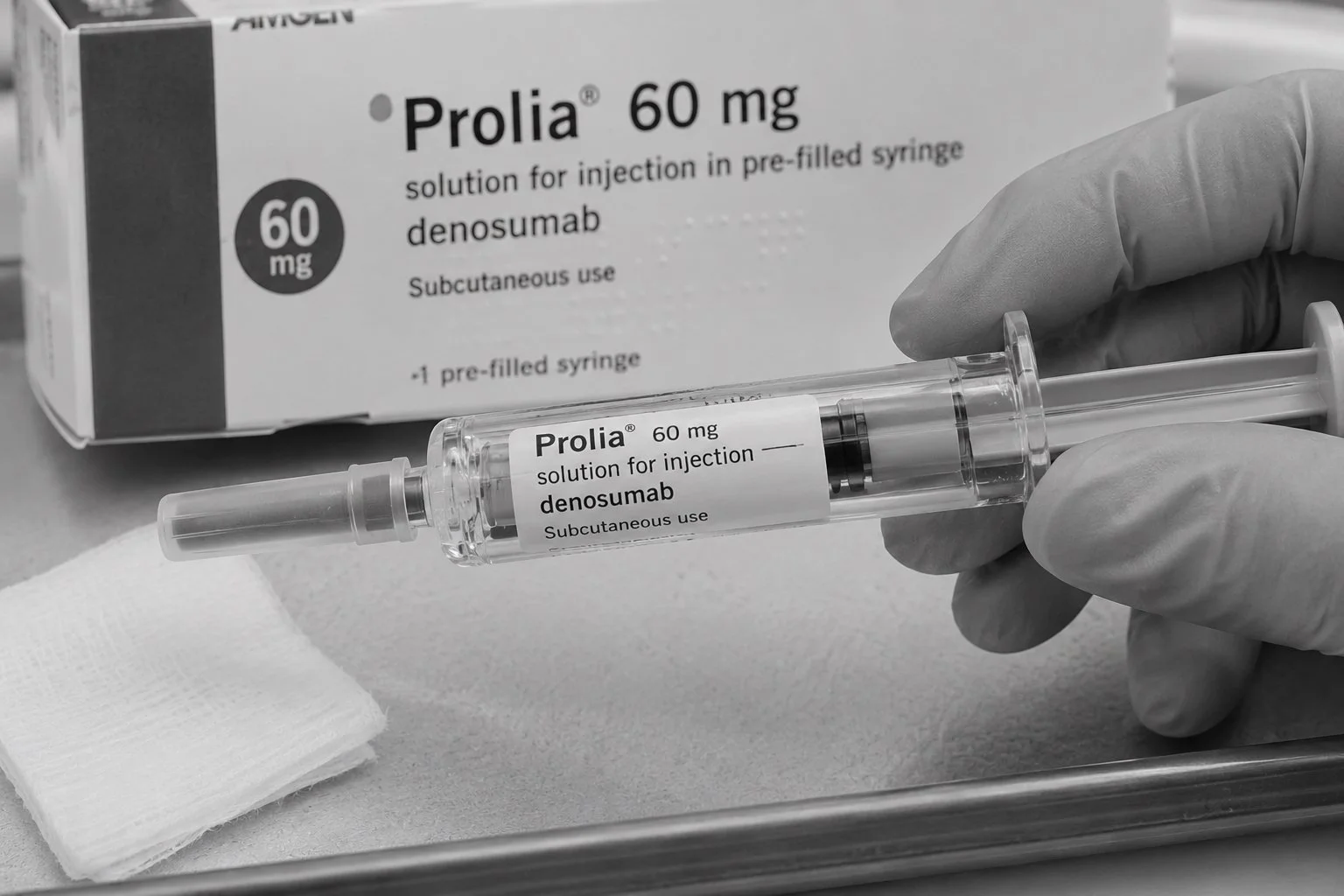
Denosumab (Prolia) for Osteoporosis: What It Does, Who It Helps, and Why Stopping It Needs a Plan
Thinking about denosumab (Prolia) for osteoporosis? A consultant rheumatologist explains where it fits, blood tests, dental issues, injection timing, side effects, and why stopping needs a plan.

Gout and Cardiovascular Risk: Why Recurrent Gout Should Be Taken Seriously
Gout is not just about painful flares. A consultant rheumatologist explains the link between gout, high uric acid and cardiovascular risk, and why recurrent gout deserves a long-term plan.

What Is a Rheumatologist, What Do They Do, and When Should You See One?
What is a rheumatologist, what do they do, and when should you see one? A consultant rheumatologist and general physician explains the symptoms, conditions and situations where specialist assessment may help.

Is It Worth Having a Private Rheumatology Video Consultation?
Can a rheumatologist assess you properly by video? A consultant rheumatologist explains when private video consultations work well, how to prepare, when face-to-face is better, and how urgent appointments may sometimes be arranged.

Steroid Injections for Joint and Soft Tissue Pain: When They Help — and When They Are Not the Whole Answer
When do steroid injections help joint or soft tissue pain? A consultant rheumatologist explains when they are useful, how they are performed, recovery afterwards, and why they are rarely the whole answer.

What Does a Second Opinion in Rheumatology Actually Add?
When is a second opinion in rheumatology worthwhile? A consultant rheumatologist explains what another expert review can add, from diagnosis and treatment clarity to reassurance and future planning.

Diet and Rheumatic Disease: Where It Helps — and Where Claims Go Too Far
Can diet help rheumatic disease? A consultant rheumatologist explains where food may support symptoms and health, and where dietary claims go too far.

Inflammation: What Rheumatologists Mean — and Why It Is Not Always the Same as What Patients Mean
Patients often use “inflammation” to describe pain, stiffness or fatigue. In rheumatology, the term has a more specific meaning. Here is why the difference matters.

Supplements in Rheumatology: What Helps, What Doesn’t — and What to Watch For
Thinking about turmeric, glucosamine, collagen, vitamin D or other supplements? This guide reviews the evidence in rheumatology, bone health and fatigue, with practical advice for patients.