
Steroids in Rheumatology: Uses, Benefits, Risks and Safe Treatment
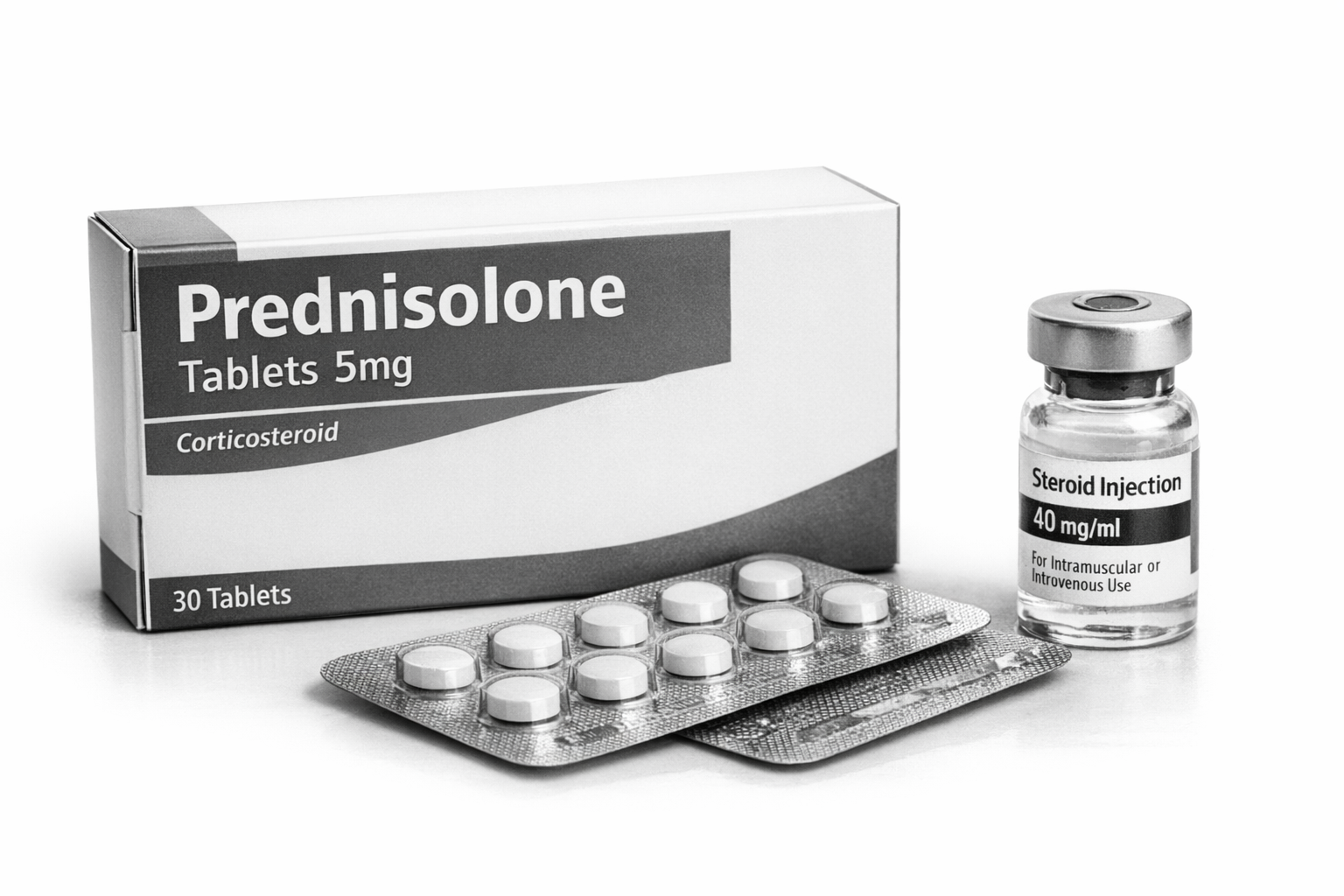
Steroids—more accurately called corticosteroids—are among the fastest and most effective anti-inflammatory medicines used in rheumatology. They can reduce pain, stiffness and swelling within hours or days and, in some circumstances, prevent permanent organ damage.
They are also among the treatments patients worry about most. Concerns commonly include weight gain, facial swelling, osteoporosis, infection and whether it will be difficult to stop treatment.
These concerns are understandable, but steroids are neither universally safe nor inherently harmful. Their value depends on why they are being used, the dose, the duration of treatment and whether there is a clear plan for monitoring and reducing them.
Used carefully, steroids can be transformative and sometimes life-saving. Used for too long or without an appropriate longer-term strategy, they can cause significant harm.
What Are Corticosteroids?
Corticosteroids are medicines that reproduce some of the effects of cortisol, a hormone naturally produced by the adrenal glands. Cortisol helps regulate inflammation, immune activity, blood pressure, metabolism and the body’s response to illness or physical stress.
The oral corticosteroid used most frequently in UK rheumatology is prednisolone. Other preparations include methylprednisolone, hydrocortisone and dexamethasone. Steroids may be given as tablets, intravenously, into a muscle or as an injection into a joint or surrounding soft tissue.
Corticosteroids are entirely different from the anabolic steroids sometimes used to increase muscle mass.
How Do Steroids Work?
Inflammatory rheumatic diseases occur when immune activity causes inflammation in joints, blood vessels, muscles or internal organs. Corticosteroids act at several points within the inflammatory response, reducing immune-cell activity and the production of inflammatory chemical signals.
This broad effect explains why they work quickly and can be effective across many different inflammatory conditions. It also explains why prolonged treatment can affect several parts of the body.
Steroids suppress inflammation, but they do not usually correct the underlying tendency to develop an autoimmune or inflammatory disease. In many conditions, they are therefore used alongside treatments designed to provide longer-term disease control.
Why Are Steroids Used in Rheumatology?
One important use is rapid control of severe symptoms. A short course of prednisolone may reduce marked joint swelling, prolonged morning stiffness or other inflammatory symptoms while the diagnosis and longer-term treatment plan are being established.
Steroids can also act as bridging treatment. Disease-modifying antirheumatic drugs—such as methotrexate—may take several weeks to exert their full effect. Prednisolone can sometimes control inflammation during that interval and then be reduced as the disease-modifying treatment begins to work.
They may also be used to treat significant disease flares in conditions such as rheumatoid arthritis, lupus, polymyalgia rheumatica and vasculitis. The dose and duration depend on the disease and the severity of the flare.
In organ-threatening disease, steroids may be required urgently. Examples include giant cell arteritis, where treatment may protect sight, and severe vasculitis, lupus nephritis or inflammatory lung disease. In these situations, the immediate benefit of controlling inflammation may greatly outweigh the potential risks.
Dose and Duration Matter
Steroid risk is not determined simply by whether someone has taken prednisolone. Dose, duration, repeated courses, other medications and individual health factors all matter.
A brief course generally carries much less cumulative risk than treatment continuing for months or years. However, even a short course can cause insomnia, indigestion, increased appetite, mood change, fluid retention or a temporary rise in blood glucose. Some people are more sensitive to these effects than others.
With higher doses, repeated courses or prolonged treatment, the risks become more substantial. Modern rheumatology therefore aims to use the lowest effective dose for the shortest appropriate time while ensuring that the inflammatory disease remains adequately controlled.
The objective is not always to avoid steroids completely. Sometimes that would expose the patient to greater risk from uncontrolled inflammation. The objective is to use them deliberately, monitor their effects and have a clear plan for what happens next.
Common Short-Term Side Effects
Prednisolone may increase appetite, interfere with sleep and cause indigestion or a sense of increased energy. Some people experience irritability, anxiety or low mood. Less commonly, higher doses can cause marked agitation, confusion, mania or other significant psychological symptoms.
Taking prednisolone in the morning can sometimes reduce sleep disturbance, although patients should follow the instructions provided with their prescription. Taking it with or after food may help reduce indigestion.
Steroids can also raise blood glucose and blood pressure. This is particularly important for people with diabetes, pre-diabetes or hypertension, who may require closer monitoring when treatment begins or the dose changes.
Patients should seek medical advice if they develop severe psychological symptoms, substantial changes in glucose control or other concerning reactions.
Long-Term Risks
Longer exposure can cause weight gain, facial rounding, skin thinning, easy bruising and muscle weakness. It can increase the risk of diabetes, high blood pressure, infection, osteoporosis and fractures. Cataracts, glaucoma and, more rarely, avascular necrosis of bone may also occur.
Risk generally increases with the dose and cumulative duration of treatment, but there is no single dose below which prolonged steroid use is completely free from risk.
This is why patients receiving longer-term treatment may need monitoring of weight, blood pressure, blood glucose, bone health and eye symptoms. The continuing need for steroids should also be reviewed regularly.
Are Steroid Side Effects Reversible?
Many common effects improve as the dose is reduced. Increased appetite, fluid retention, sleep disturbance and facial puffiness often settle gradually after treatment is lowered or stopped.
However, it would be misleading to suggest that every steroid complication is fully reversible. Osteoporotic fractures, cataracts, avascular necrosis and some skin or metabolic changes may have lasting consequences.
The likelihood of recovery depends on the particular side effect, the dose and duration of treatment, and the individual patient. Preventing complications and recognising them early are therefore just as important as reducing the dose.
Steroids and Infection
Corticosteroids suppress parts of the immune response and may increase susceptibility to infection, particularly at higher doses or when combined with other immune-suppressing treatment. They can also make some signs of inflammation less obvious.
Patients should seek medical advice if they become significantly unwell or develop symptoms suggestive of a serious infection. Advice may also be needed following exposure to chickenpox or shingles, particularly in someone who is not known to be immune.
Vaccination remains an important part of preventive healthcare, but some live vaccines may not be suitable during higher-dose or immune-suppressing steroid treatment. The appropriate timing should be discussed with the treating clinician.
Stomach Protection: Does Everyone Need a PPI?
Steroids can cause indigestion, but not everyone taking prednisolone automatically requires a proton pump inhibitor such as omeprazole or lansoprazole.
Gastrointestinal risk is greater in people with a previous ulcer or gastrointestinal bleeding and in those also taking an NSAID, aspirin, anticoagulant or antiplatelet medication. Age and other medical conditions may also influence the decision.
A PPI may therefore be appropriate for some patients, but it should be prescribed according to individual gastrointestinal risk rather than used automatically for every steroid course.
Protecting Bone Health
Oral corticosteroids can accelerate bone loss and increase fracture risk. This can begin relatively early after treatment starts, and the risk increases with higher doses and longer exposure.
Someone expected to take oral steroids for a prolonged period should have their fracture risk assessed. Depending on age, steroid dose, previous fractures and other risk factors, this may involve a FRAX calculation, a DEXA scan and sometimes imaging to look for previously unrecognised vertebral fractures.
Adequate calcium intake should preferably come from food, with supplementation used when dietary intake is insufficient. Vitamin D should also be adequate, with supplements prescribed when necessary.
Some patients require bone-protective medication such as alendronic acid, risedronate, zoledronic acid or another osteoporosis treatment. In people at particularly high fracture risk, treatment may need to begin without waiting for a DEXA scan.
Related information: DEXA scans and how bone density results are interpreted
Why Steroids Sometimes Need to Be Reduced Gradually
When corticosteroids are taken for a sustained period, the adrenal glands may reduce their own cortisol production. This is called adrenal suppression or adrenal insufficiency. It is a physiological effect and should not be confused with addiction.
Stopping treatment abruptly in someone whose adrenal function is suppressed can cause severe fatigue, weakness, nausea, low blood pressure, dizziness or, in serious cases, adrenal crisis. Reducing the steroid too quickly can also allow the original inflammatory disease to flare.
Not every course requires a prolonged taper. Treatment lasting less than three to four weeks can often be stopped without an endocrine taper, although the underlying disease, dose, repeated recent courses and individual circumstances still matter.
Patients should therefore follow the reduction plan provided by their prescriber and should not change or stop prednisolone without appropriate advice.
Steroid Cards and Illness
Some patients receiving sustained or higher-dose corticosteroid treatment require a steroid treatment card or steroid emergency card. This alerts healthcare professionals to the possibility of adrenal suppression and may remain relevant for a period after treatment has stopped.
People at risk of adrenal insufficiency may also receive specific sick-day instructions explaining what to do during fever, significant infection, surgery, trauma, vomiting or diarrhoea. These instructions should be individualised. Patients should not automatically change their dose during every minor illness unless they have been advised to do so.
Urgent medical advice is required if someone at risk of adrenal insufficiency cannot keep their steroid tablets down because of persistent vomiting, becomes extremely weak or dizzy, collapses, or develops a severe illness. Emergency and hospital staff should be told about current or recent steroid treatment.
Steroid-Sparing Treatment
When an inflammatory rheumatic disease requires repeated or prolonged steroid treatment, the longer-term strategy should be reconsidered.
Depending on the diagnosis, steroid-sparing treatments may include conventional disease-modifying drugs, biologic therapies or targeted synthetic treatments. These medicines generally act more slowly than prednisolone but can provide more durable disease control and reduce cumulative steroid exposure.
The correct balance differs between conditions. Some diseases, such as polymyalgia rheumatica, are commonly treated initially with prednisolone and require a gradual reduction over time. In others, recurrent dependence on steroids may indicate that the principal disease-modifying treatment needs to be started or adjusted.
Related information: DMARDs explained
What About Steroid Injections?
Corticosteroids can also be injected into a joint, bursa or tendon sheath to treat a local inflammatory problem. This can limit—but does not completely eliminate—exposure elsewhere in the body.
Local injections have their own benefits, limitations and risks and should be considered in the context of the underlying diagnosis.
Related information: Steroid injections for joint and soft-tissue pain
What Safe Steroid Treatment Should Include
Safe prescribing involves more than selecting a dose. There should be a clear reason for treatment, an understanding of what improvement is expected, and a plan for monitoring and reduction.
For longer courses, consideration should be given to blood pressure, glucose, infection risk, bone protection, eye health, other medications and the possibility of adrenal suppression. Just as importantly, there should be a plan for controlling the underlying inflammatory disease so that steroid exposure can be minimised where possible.
If your symptoms repeatedly return as prednisolone is reduced, or you have needed several courses without a clear longer-term treatment plan, specialist review may help clarify the diagnosis and whether a steroid-sparing treatment is appropriate. Information about private rheumatology appointments is available here.
The Bottom Line
Corticosteroids are among the most valuable treatments in rheumatology. They work quickly, can restore function and may prevent irreversible organ damage.
Their risks depend on the dose, duration and individual patient. Short courses generally carry less cumulative risk, but they are not free from side effects. Longer treatment requires careful monitoring, assessment of bone and metabolic health, consideration of adrenal suppression and a clear plan for reducing steroid exposure where possible.
Patients should understand why steroids have been prescribed, how long they are expected to continue and whether they require a taper, monitoring, bone protection or sick-day guidance. Steroids should be treated with respect, but not feared when there is a sound clinical reason to use them.
Related Reading
DMARDs explained: methotrexate, hydroxychloroquine and other treatments
Anti-TNF treatment in rheumatology
DEXA scans and bone-density results
Steroid injections for joint and soft-tissue pain
Trusted Patient Information
National Osteoporosis Guideline Group: Information for patients
Please note, these posts are for general information only and do not constitute medical advice. Dr Singh would encourage you to speak to your healthcare professional to be assessed and managed for your specific symptoms.