
Understanding Bone Health and Osteoporosis: What Patients Should Know
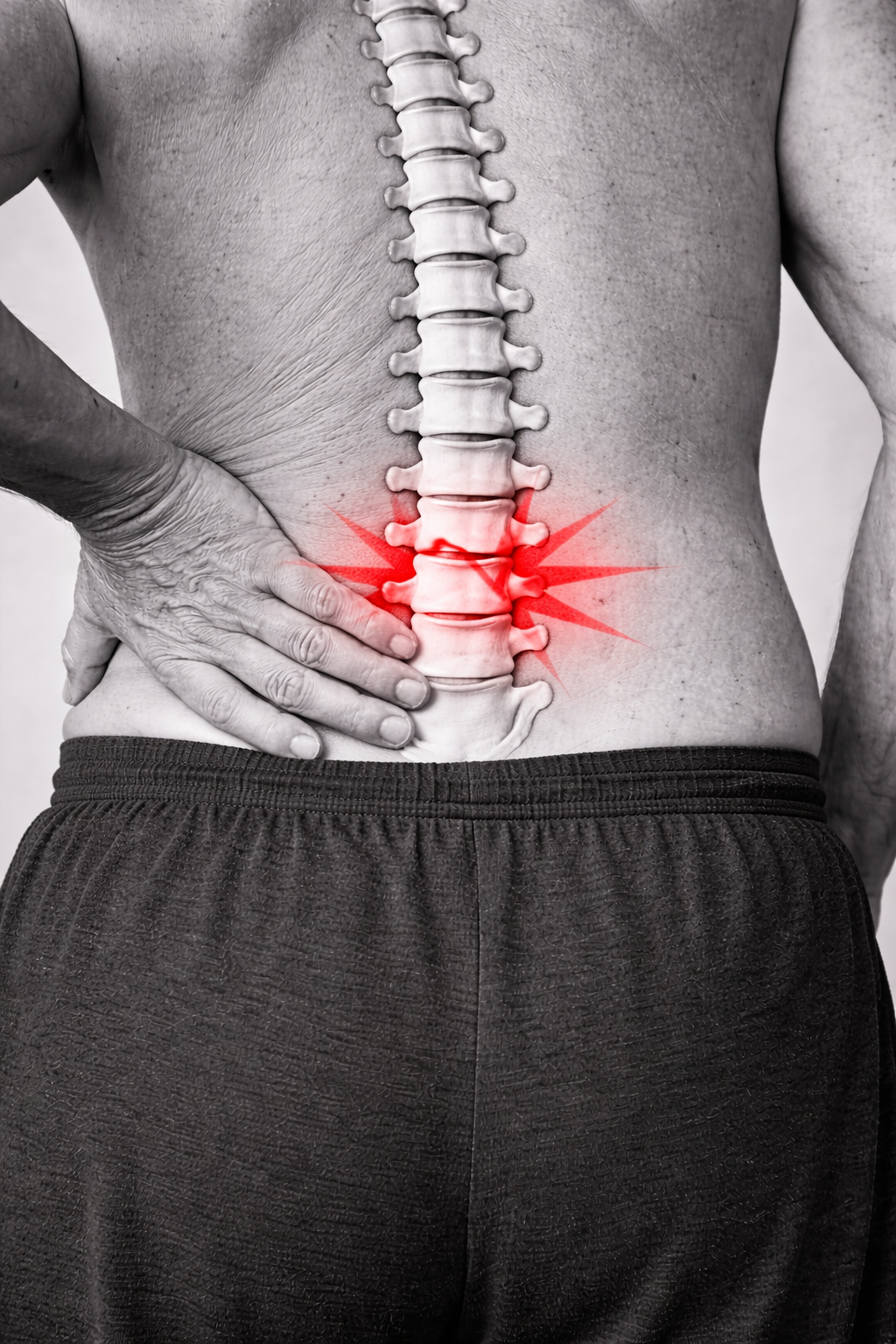
Bone health is something many people only think about after a fracture or a concerning DEXA scan. Yet bone strength changes quietly throughout life, influenced by hormones, inflammation, genetics, muscle mass and lifestyle. Osteoporosis develops gradually and can remain silent until a relatively minor fall causes a significant fracture.
As a Consultant Rheumatologist and General Physician, I often meet patients who are surprised to learn that their bones have weakened despite feeling otherwise well. Helping patients understand why this happens — and what can be done to improve it — is a central part of my approach.
What Is Osteoporosis?
Osteoporosis is a condition where bones lose density and become more fragile, increasing the risk of fractures, particularly in the spine, wrist and hip. Under the microscope, healthy bone resembles a strong honeycomb structure. In osteoporosis, these supporting struts become thinner, and the spaces within the honeycomb enlarge, weakening the bone.
It is important to understand that osteoporosis is not simply a result of ageing. It is influenced by:
Hormonal changes (especially menopause)
Chronic inflammation
Low vitamin D
Low muscle mass
Genetics
Gut health and nutrition
Certain medications (including steroids)
Many of these factors are treatable, and bone strength can often be significantly improved.
Why Bone Loss Happens: A Brief Look at the Science
Bone continuously renews itself through a process called remodelling. Two cell types work together:
Osteoclasts break down old bone
Osteoblasts build new bone
Problems arise when breakdown overtakes rebuilding. This can happen due to:
Falling oestrogen levels after menopause
Chronic inflammatory diseases
Long-term steroid use
Vitamin D or calcium deficiency
Low body weight and reduced muscle loading
Understanding the cause of bone loss helps guide the right treatment plan.
A Patient Experience: Turning Uncertainty Into Clarity
One patient recently shared their experience after being referred following an unexpectedly low DEXA scan result:
“I was recommended to see Dr Singh regarding osteoporosis after a worrying DEXA scan. Dr Singh has a lovely calm demeanour — he was very reassuring and explained in depth all the different options to me. I feel confident that the course of action planned is the right one and will definitely continue to see Dr Singh for further follow-ups.”
Their experience reflects an important part of osteoporosis care:
clarity, reassurance and a personalised plan.
Many patients feel anxious after a DEXA scan, unsure of the severity or what to do next. A detailed review of risk factors, an explanation of the results and a structured plan can transform that anxiety into confidence and direction — often in a single consultation.
How Osteoporosis Is Diagnosed
The main test is a DEXA scan, which measures bone mineral density.
But diagnosis never relies on the scan alone.
During an osteoporosis assessment, I also consider:
Age and menopause timing
Family history
History of fractures
Inflammatory disease
Medication use
Vitamin D levels
Muscle strength
Falls risk
Lifestyle and nutrition
This whole-person approach ensures that treatment targets the cause as well as the bone loss itself.
Treatment: A Personalised, Evidence-Based Plan
Effective osteoporosis management typically involves a combination of:
1. Lifestyle and nutrition
Adequate dietary calcium
Correcting vitamin D deficiency
Weight-bearing exercise
Building muscle strength
Smoking cessation
Reducing alcohol intake
2. Medications
Depending on risk, options may include:
Bisphosphonates
Zoledronic acid infusions
Denosumab
Hormone therapy (in selected cases)
Anabolic agents such as romosozumab or teriparatide for severe disease
Treatment is tailored to each patient based on risk profile, age, comorbidities and personal preferences.
3. Managing underlying contributors
If inflammation, autoimmune disease or steroids are contributing to bone loss, optimising the underlying condition is essential — this is where rheumatology and general medicine overlap closely.
Why the Whole-Person Approach Matters
Bone health is never just about bone density. It involves:
Hormones
Muscle mass
Nutrition
Inflammation
Balance and gait
Overall health and lifestyle
Patients consistently tell me that what makes the biggest difference is understanding their bone health in context — receiving an explanation that makes sense, a plan that feels achievable, and follow-up that reassures them they are moving in the right direction.
Osteoporosis is highly treatable, especially when diagnosed early. With the right assessment and a personalised management plan, patients can significantly improve bone strength, reduce fracture risk and protect long-term mobility.
Please note, these posts are for general information only and do not constitute medical advice. Dr Singh would encourage you to speak to your healthcare professional to be assessed and managed for your specific symptoms.