
Gout: More Than Just a Diet Problem
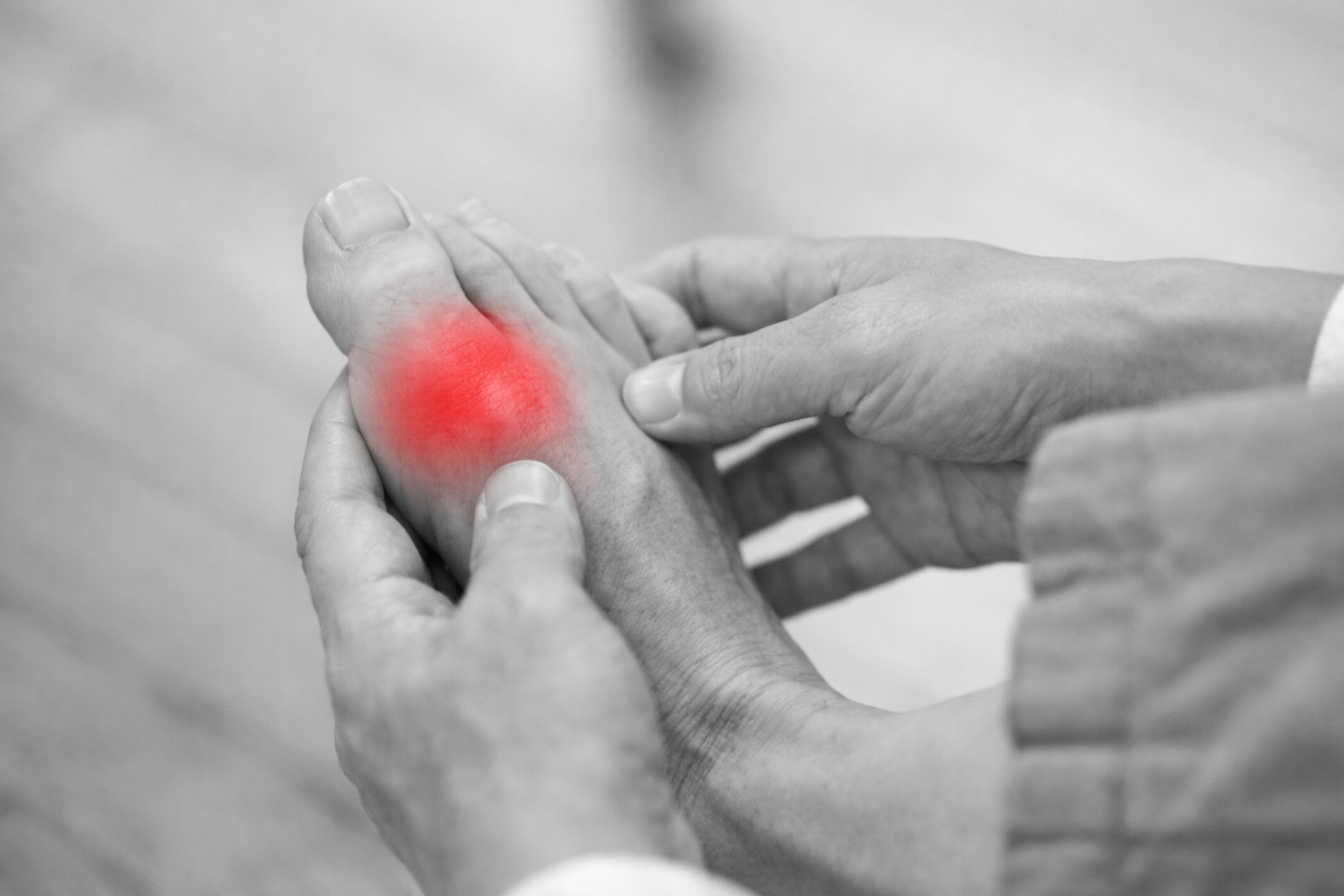
Gout is often portrayed as an old-fashioned condition linked to excess food and alcohol. This misconception does a disservice to patients and overlooks the reality that gout is a common, inflammatory arthritis with important medical, genetic and metabolic drivers.
In recent years, gout has become an increasing cause of hospital admission, affecting not only older adults but also younger people, often with significant pain, disability and disruption to daily life. When recognised early and treated appropriately, gout is one of the most preventable and treatable forms of inflammatory arthritis.
Gout Is Increasingly Seen in Younger Adults
While gout becomes more common with age, it is now frequently diagnosed in men in their 20s, 30s and 40s. In younger patients, gout is often associated with:
Strong genetic predisposition
Reduced renal uric acid clearance
Obesity or metabolic syndrome
Hypertension or early cardiovascular risk
Certain medications, including diuretics
Early-onset gout should prompt careful assessment, as untreated disease at a younger age increases the likelihood of frequent flares, multi-joint involvement and long-term joint damage.
Ethnicity and Gout Risk
Gout does not affect all populations equally. Higher prevalence is seen in certain ethnic groups, reflecting a combination of genetic, metabolic and environmental factors.
Groups at higher risk include:
People of East Asian heritage
People of Pacific Island and Māori background
Certain African and Afro-Caribbean populations
Understanding this risk helps clinicians maintain a lower threshold for diagnosis and earlier treatment in appropriate clinical contexts.
Why Diet Alone Rarely Explains Gout
Dietary purines and alcohol can influence uric acid levels, but for most patients they are not the primary cause. Many people with gout have elevated uric acid because their kidneys do not clear it efficiently — a process strongly influenced by genetics.
Focusing solely on diet can:
Delay effective medical treatment
Create unnecessary guilt or stigma
Lead to recurrent flares and complications
Dietary advice is supportive, but urate-lowering therapy is often required to prevent attacks.
Gout, Uric Acid and Cardiovascular Risk
Poorly controlled gout is not just a joint problem. Elevated uric acid and uncontrolled gout are associated with an increased risk of cardiovascular disease, independent of traditional risk factors.
Studies have shown associations between hyperuricaemia and:
Hypertension
Coronary artery disease
Stroke
Heart failure
Frequent flares and persistent inflammation may further contribute to cardiovascular risk. Effective long-term urate control is therefore important not only for joints, but also for overall cardiovascular health.
Tophi and Long-Term Joint Damage
When uric acid remains elevated over time, crystals can accumulate and form tophi — firm deposits of urate in soft tissues, joints and tendons.
Tophi can:
Distort joints
Damage bone and cartilage
Restrict movement
Lead to chronic pain and disability
Tophaceous gout reflects long-standing, poorly controlled disease, but with appropriate treatment, tophi can shrink and eventually resolve.
Diagnosing Gout: Beyond Blood Tests
Diagnosis is based on the clinical history, focused examination, and targeted investigations.
Uric Acid Levels
Uric acid may be normal during an acute flare and this can often mislead non-specialist clinicians
A single blood test does not exclude gout
Joint Aspiration and Fluid Analysis
In some cases, particularly when infection needs to be excluded, a joint aspiration may be recommended. This involves using a fine needle to remove a small sample of joint fluid under sterile conditions.
The fluid can then be examined under a microscope to look for urate crystals, which provides a definitive diagnosis of gout. Joint fluid analysis can also help rule out other causes of acute joint swelling, such as infection or other crystal arthropathies.
While joint aspiration is not required for every patient, it remains an important diagnostic tool in selected situations and can provide clarity when symptoms or test results are unclear.
Specialist Imaging
In cases where the diagnosis is uncertain, or where disease appears more advanced, specialist imaging can be extremely helpful.
Ultrasound
Ultrasound can detect urate crystal deposition within joints and tendons. A characteristic feature is the double-contour sign, where urate crystals coat the surface of cartilage. This can be seen even between attacks and supports a diagnosis of gout.
Dual-Energy CT (DECT)
DECT is a highly specialised imaging technique that can:
Directly identify urate crystal deposits
Distinguish urate from other materials
Map the burden of disease across multiple joints
DECT is particularly useful in:
Atypical or multi-joint presentations
Long-standing disease
Situations where joint aspiration is not possible
These imaging tools allow greater diagnostic confidence and help guide treatment decisions.
Treating Acute Gout Attacks
Acute flares require rapid suppression of inflammation. Options include:
Non-steroidal anti-inflammatory drugs (NSAIDs)
Colchicine
Steroids
Anakinra
In selected patients, particularly those with:
Severe or refractory flares
Kidney disease
Contraindications to standard therapies
Anakinra, an interleukin-1 inhibitor, can be used to rapidly control inflammation during acute gout attacks under specialist supervision.
Long-Term Management: Lowering Uric Acid
The goal of long-term treatment is to lower uric acid to a target level, allowing crystals to dissolve and preventing new ones from forming.
Target Uric Acid Levels
Without tophi:
< 360 micromol/L ( < 6 mg/dL )With tophi or severe disease:
< 300 micromol/L ( < 5 mg/dL )
Achieving and maintaining these targets is crucial.
Urate-Lowering Medications
Allopurinol
First-line treatment for most patients
Dose must be titrated upwards, often beyond starting doses
Safe and effective when used correctly, including in kidney disease with appropriate monitoring
Febuxostat
Alternative xanthine oxidase inhibitor
Useful when allopurinol is not tolerated or ineffective
Requires careful cardiovascular risk assessment
Specialist Therapies
In selected or complex cases, other options may be considered:
Uricosuric agents (e.g. probenecid)
Combination therapy
Advanced therapies for severe, refractory disease
How Well Is Gout Controlled in Practice?
Despite effective treatments, only a minority of patients currently achieve target uric acid levels, even after a first gout attack. Studies suggest that fewer than half of patients reach and maintain recommended targets, often due to:
Delayed initiation of urate-lowering therapy
Inadequate dose escalation
Lack of monitoring and follow-up
This highlights the importance of education, monitoring and long-term planning.
Why Gout Is Often Undertreated
Gout is frequently:
Treated only during flares
Framed as a lifestyle issue rather than a chronic disease
Managed without clear urate targets
This approach allows crystal burden to increase silently between attacks, leading to flares, tophi and joint damage.
Why a Consultant Rheumatologist assessment can make a difference
Specialist input is particularly helpful when:
Flares are recurrent or severe
Disease starts at a young age
Multiple joints or tophi are present
Kidney or cardiovascular disease complicates treatment
Standard therapies have failed
Advanced imaging or biologic therapy is being considered
A structured, long-term approach focuses on prevention, not just crisis management.
A patient who recently came to clinic reviews his experience::
I recently visited Dr Animesh Singh for gout treatment and couldn’t be more pleased with the care I received. He was very considerate and thorough, taking the time to listen to my concerns and understand how the condition was affecting me. His approach was both professional and compassionate, and the treatment he provided made me feel confident and well cared for. I am very grateful for his help and I would highly recommend Dr Singh to anyone in need of specialist rheumatology care.
In Summary
Gout is an inflammatory arthritis with rising hospital admissions
It affects younger people and certain ethnic groups more commonly
Poor uric acid control increases cardiovascular risk
Tophi and joint damage reflect long-standing uncontrolled disease
Modern imaging improves diagnostic accuracy
Effective treatments exist, but many patients remain undertreated
Achieving target uric acid levels prevents flares, damage and admissions
With the right strategy, gout is one of the most controllable rheumatological conditions, allowing patients to live free from recurrent attacks and long-term complications.
Trusted Patient Information Resources
Patients often appreciate reliable, balanced information they can explore in their own time. The following organisations provide high-quality, patient-facing resources that align well with specialist rheumatology care:
Versus Arthritis – Gout
https://versusarthritis.org/about-arthritis/conditions/gout/
Clear explanations of gout, flares, treatment and long-term management.NHS – Gout
https://www.nhs.uk/conditions/gout/
Practical overview of symptoms, diagnosis and treatment options.
These resources complement specialist assessment and help patients understand why long-term urate control is central to preventing flares, joint damage and complications.
Related Reading
If you would like to explore related topics in more detail, you may find the following articles helpful:
Gout: Why the right diagnosis can change everything
One patient’s experience of repeated gout attacks and how specialist assessment and treatment helped.
Is it worth paying for a private rheumatology appointment?
When symptoms persist and you are struggling to get help, many people start to wonder whether it’s worth booking a private consultation. In this article, Dr Singh highlights how one focused appointment gave a patient an accurate diagnosis and treatment plan.
Please note, these posts are for general information only and do not constitute medical advice. Dr Singh would encourage you to speak to your healthcare professional to be assessed and managed for your specific symptoms.