Private Gout and Crystal Arthritis Specialist in London
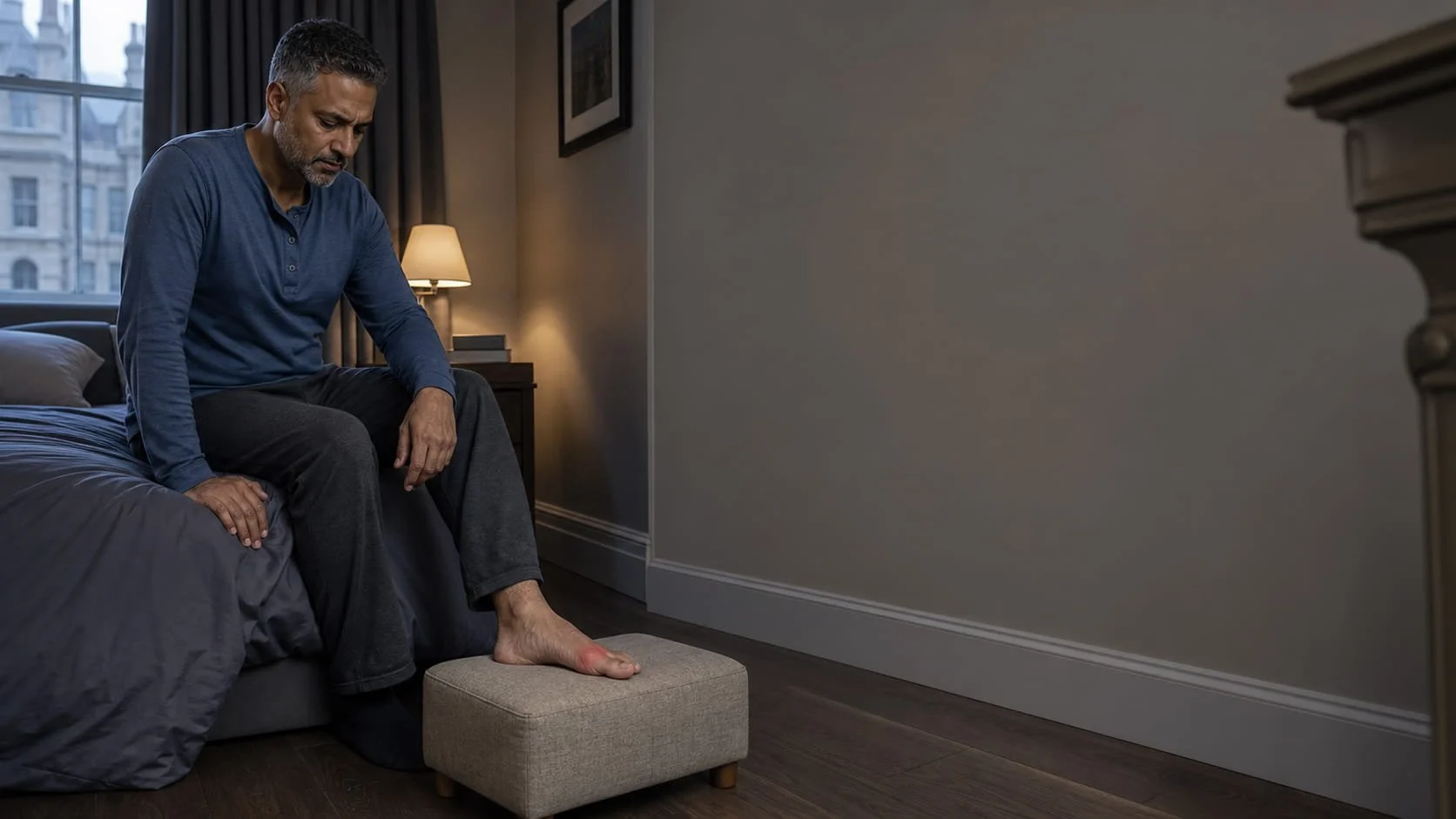
Gout is a type of inflammatory arthritis caused by the build-up of urate crystals within joints, leading to sudden episodes of pain, swelling and inflammation.
Although gout is often associated with diet, it is a complex condition influenced by genetics, metabolism, kidney function and other health factors. With the right assessment and treatment, gout can often be controlled effectively and future attacks prevented.
Dr Animesh Singh offers consultant-led assessment and treatment in London for patients with suspected or established gout, recurrent attacks, high urate levels, uncertain diagnosis, difficult-to-control symptoms or concerns about long-term treatment.
He also assesses other forms of crystal arthritis, including calcium pyrophosphate deposition disease (CPPD), sometimes known as pseudogout.

Dr Animesh Singh is a Consultant Rheumatologist and General Internal Medicine Physician at the Royal Free Hospital, where he is Clinical Lead for Rheumatology. He offers private assessment and treatment in London for patients with suspected or established gout, including recurrent attacks, uncertainty about diagnosis, persistent symptoms despite treatment, high urate levels and requests for a second opinion.
Gout and crystal arthritis can sometimes be confused with other inflammatory conditions, infection or osteoarthritis. Careful specialist assessment helps confirm the diagnosis, understand the underlying cause and develop an individualised treatment plan. He also assesses other crystal arthritis conditions, including calcium pyrophosphate deposition disease (CPPD).
He is highly rated by patients on Doctify and Google, with more than 800 patient reviews.

Recognising Gout and Crystal Arthritis Symptoms
Gout can affect people in different ways. Some patients experience sudden severe attacks, while others develop recurrent episodes or long-term crystal deposits. Recognising the pattern of symptoms helps distinguish gout from other causes of joint pain and swelling.
🔹 Sudden Joint Attacks
A gout flare often develops quickly and can cause:
severe joint pain
swelling
redness
warmth
extreme tenderness
Even light touch from clothing or bedding may become uncomfortable during an acute attack.
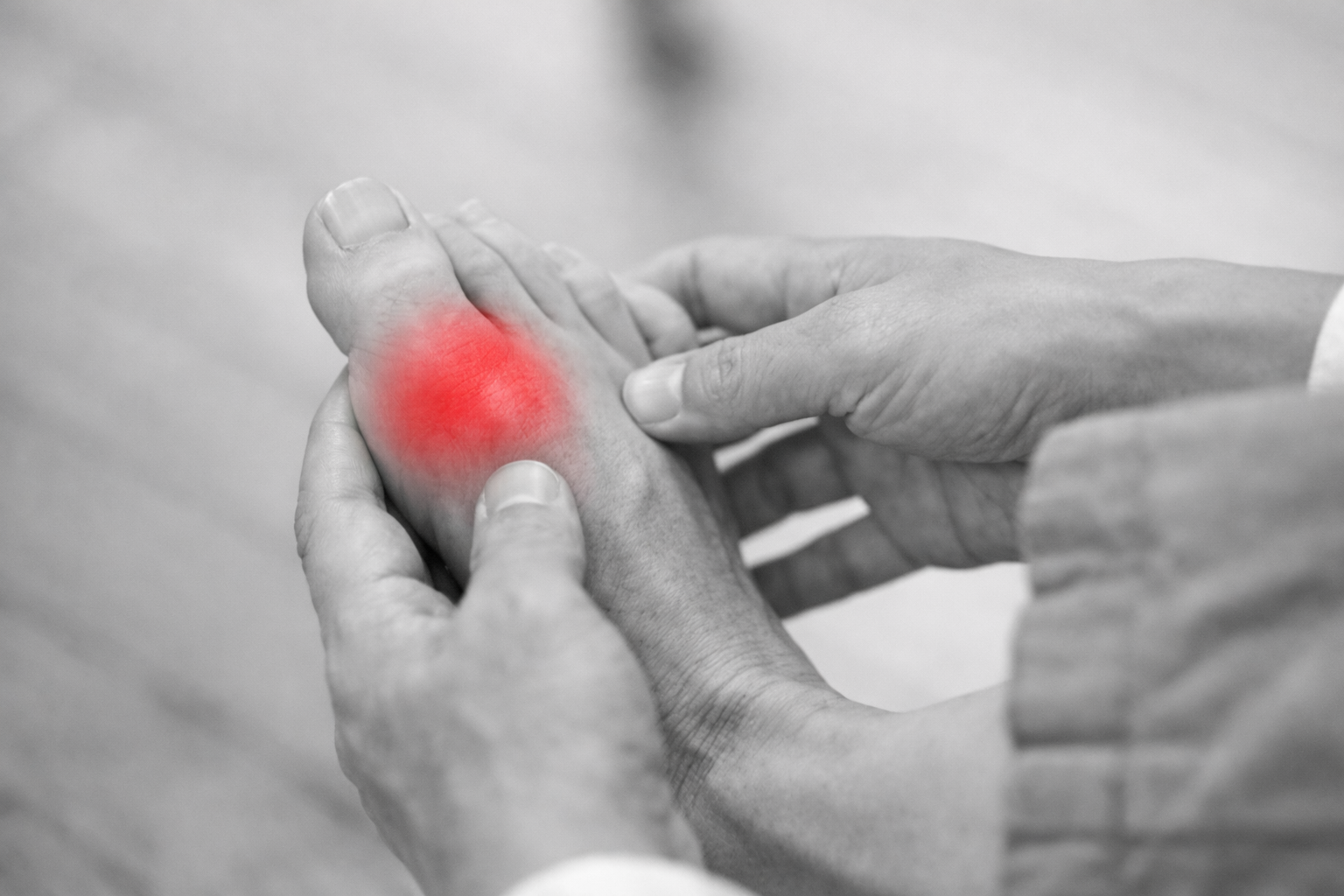
🔹 Big Toe Gout
The big toe is one of the most common locations for gout.
Patients may notice:
sudden pain at the base of the big toe
swelling and redness
difficulty walking or putting weight through the foot
🔹 Other Joints Affected
Although the big toe is classic, gout can also affect:
ankles
knees
wrists
fingers
elbows
🔹 Recurrent Flares
Some people experience repeated attacks over months or years.
Without effective long-term treatment, attacks may:
become more frequent
last longer
affect more joints
🔹 Tophi and Crystal Deposits
Long-standing gout can lead to collections of urate crystals called tophi.
These may appear as:
firm lumps around joints
deposits around fingers or ears
areas of chronic inflammation
Understanding Gout and Crystal Arthritis
Gout and other crystal arthritides occur when crystals form within joints and trigger inflammation.
Although gout is often associated with lifestyle factors, it is a complex condition influenced by genetics, metabolism, kidney function and other health factors.
-
Gout occurs when urate levels in the blood become high enough for urate crystals to form within joints.
The immune system reacts to these crystals, causing episodes of intense inflammation.
-
Diet can influence urate levels, but gout is not simply caused by eating certain foods.
Many factors contribute, including:
genetics
kidney function
medications
body weight and metabolism
other medical conditions
-
Some people are more likely to develop gout because their body produces more urate or removes less urate through the kidneys.
A specialist assessment can help identify contributing factors and the best treatment approach.
-
CPPD is caused by calcium pyrophosphate crystals rather than urate crystals.
It can resemble gout but may require different investigations and treatment.
-
Not every painful, swollen joint is gout.
Other conditions, including infection, inflammatory arthritis and osteoarthritis, can cause similar symptoms.
Confirming the diagnosis helps ensure the correct treatment plan.
How Gout Is Diagnosed
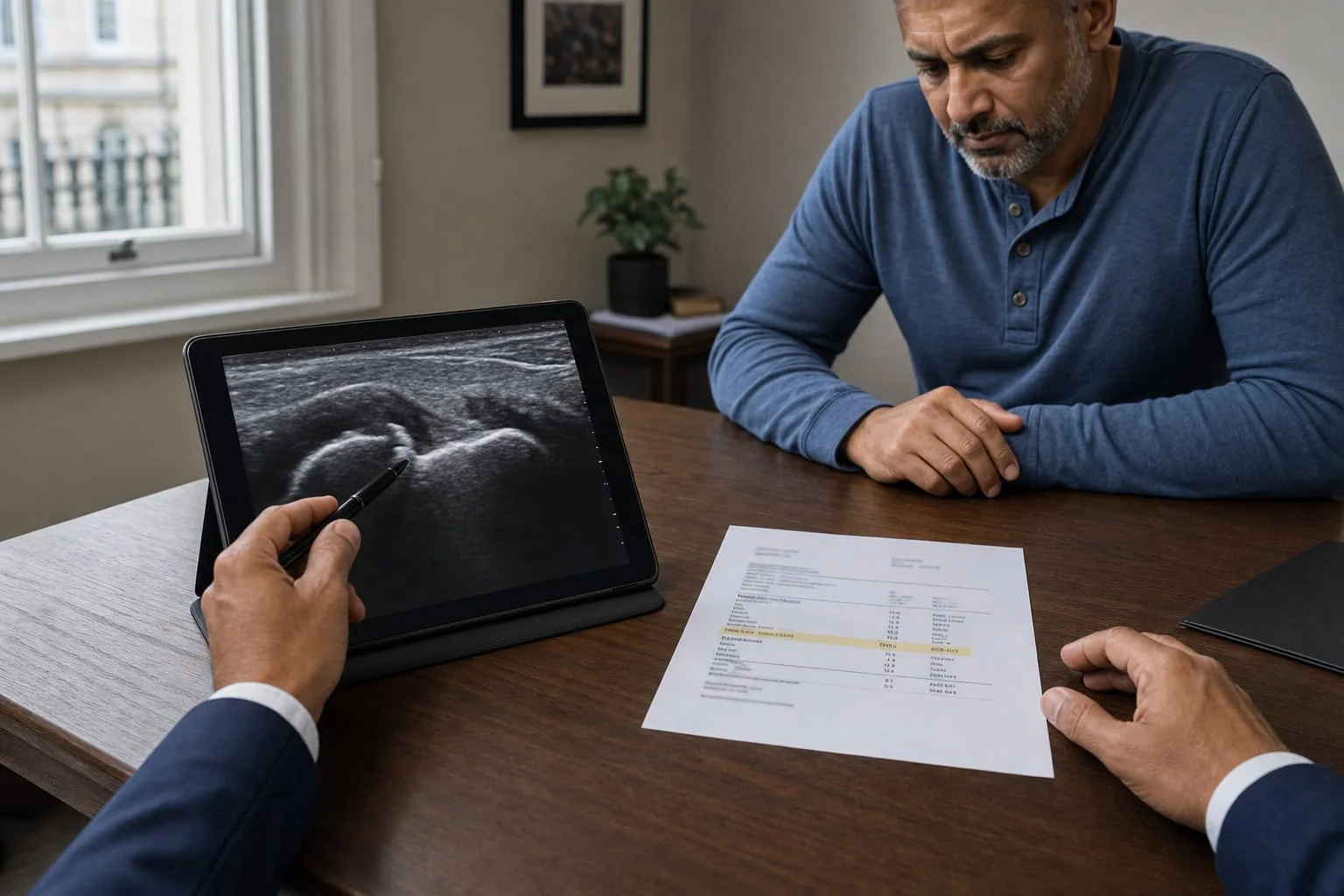
A diagnosis of gout is made by combining symptoms, examination findings and investigations.
A raised urate level alone does not always confirm gout, and some patients can have gout attacks even when urate levels are not elevated during a flare.
The choice of investigations depends on the clinical situation and the questions that need answering.
-
Assessment includes reviewing:
the pattern of attacks
which joints are affected
previous episodes
response to treatments
other health conditions and medications
-
Blood tests may include:
serum urate levels
inflammatory markers
kidney function tests
other investigations if another diagnosis is suspected
-
In some patients, removing a small sample of fluid from an affected joint can identify uric acid crystals directly.
This can help distinguish gout from:
infection
inflammatory arthritis
pseudo gout
other causes of joint swelling
-
Where appropriate, imaging may support diagnosis.
This may include:
ultrasound
dual-energy CT (DECT)
X-rays in selected situations
Treatment Options for Gout and Crystal Arthritis
Gout and crystal arthritis can often be managed successfully with the right diagnosis and a personalised treatment plan.
Treatment depends on the type of crystal arthritis, the frequency and severity of attacks, affected joints, kidney function, other medical conditions and previous treatment response.
The aim is not only to treat individual attacks, but to understand why they are occurring and develop a long-term strategy to prevent future problems.
-
The aims of treatment are to:
control painful inflammatory attacks
prevent future flares
reduce crystal formation
protect joints and long-term health
-
During a gout flare, treatment focuses on reducing inflammation and relieving pain.
Options may include:
colchicine
anti-inflammatory medicines
corticosteroids in selected patients
The most appropriate treatment depends on individual circumstances, including kidney function, other medications and medical conditions.
-
Repeated gout attacks are usually a sign that urate crystals are continuing to build up within joints.
Long-term management focuses on reducing crystal formation rather than simply treating each painful episode as it occurs.
This may involve:
reviewing factors contributing to gout
addressing associated health risks
considering urate-lowering treatment where appropriate
-
For people with recurrent gout, tophi or ongoing crystal-related problems, treatment may be recommended to lower urate levels and prevent future attacks.
Common treatments include:
Allopurinol
Allopurinol reduces urate production and is commonly used as a long-term treatment for gout.
Treatment is usually introduced gradually and adjusted according to response.
Febuxostat
Febuxostat is another urate-lowering treatment that may be considered in selected patients, particularly where allopurinol is unsuitable or not tolerated.
The choice of treatment depends on individual factors, including medical history and other health conditions.
-
Calcium pyrophosphate deposition disease (CPPD), sometimes called pseudogout, is another form of crystal arthritis.
Unlike gout, CPPD is caused by calcium pyrophosphate crystals rather than urate crystals.
This means treatments designed to lower urate levels, such as allopurinol, do not treat CPPD.
Management focuses on:
confirming the diagnosis where possible
treating inflammatory attacks
reducing symptoms
improving function
identifying associated factors where appropriate
CPPD can sometimes resemble gout or other forms of inflammatory arthritis, making accurate diagnosis importa
-
Specialist rheumatology input may be particularly helpful for patients with:
frequent attacks
tophi
kidney disease
uncertainty about diagnosis
persistent symptoms despite treatment
medication intolerance
possible overlap with another inflammatory condition
Still Experiencing Gout Attacks or Unsure About Your Diagnosis?
If you are experiencing recurrent gout attacks, ongoing joint symptoms, uncertainty about your diagnosis or concerns about long-term treatment, a specialist rheumatology assessment can help clarify the next steps.
Dr Singh offers consultant-led assessment for gout and crystal arthritis, including diagnosis, treatment review and personalised strategies to reduce future attacks.

When to Consider a Private Gout Appointment
A private rheumatology assessment may be helpful if you:
Have repeated gout attacks despite treatment
Are unsure whether your symptoms are due to gout or another type of arthritis
Have persistent joint swelling or inflammation
Have high urate levels and want advice about long-term management
Have developed tophi or crystal deposits
Have kidney disease or other medical conditions affecting treatment choices
Have difficulty reducing the frequency of gout attacks
Have concerns about medications such as allopurinol, febuxostat or colchicine
Would like a second opinion about your diagnosis or treatment plan
Accurate diagnosis is important because several conditions can cause painful, swollen joints. Specialist assessment helps ensure that treatment is targeted towards the underlying cause.

Why See Dr Singh Privately?
Gout and crystal arthritis are often treatable conditions, but successful long-term management depends on understanding why attacks are occurring and developing the right prevention strategy.
Patients may seek a private rheumatology assessment for:
uncertainty about whether they have gout
repeated painful attacks despite treatment
concerns that symptoms are being attributed incorrectly
difficulty managing urate levels
advice about preventing future flares
a second opinion on diagnosis or treatment options
Dr Singh’s approach combines careful clinical assessment with targeted investigations to confirm the diagnosis, understand contributing factors and create an individualised treatment plan.
The aim is not only to treat the next gout attack, but to reduce future attacks and protect long-term joint health.
Consultant Rheumatologist and General Internal Medicine Physician at the Royal Free Hospital
Clinical Lead for Rheumatology at the Royal Free Hospital
Experience assessing gout, crystal arthritis and complex inflammatory joint conditions
Specialist approach to diagnosis of recurrent joint swelling and inflammatory arthritis
Experience managing difficult-to-control gout, recurrent flares and treatment-related concerns
Experience with crystal arthritis assessment, including consideration of joint fluid analysis where clinically appropriate
Experience coordinating care for patients with complex medical conditions and multiple treatment considerations
Highly rated by patients on Doctify and Google, with more than 800 patient reviews
Private Gout Appointments in London
Consultant-Led Gout Assessment Across London
Dr Singh offers private assessment and treatment for gout and crystal arthritis at clinics across London. Appointments are available for patients with:
suspected gout
recurrent gout attacks
uncertainty about diagnosis
persistent symptoms despite treatment
difficult-to-control gout
crystal arthritis concerns
Self-pay and insured patients are welcome. Self-pay patients can book directly without a GP referral, while insured patients should check their policy requirements before booking.
Private gout appointments in Central London, near Harley Street, Marylebone and Oxford Circus.
Private gout appointments at the Royal Free Hospital in Hampstead, providing access to a major tertiary rheumatology environment.
Private gout appointments in West London, convenient for Chiswick, Richmond, Ealing, Acton and surrounding areas.
Common Questions About Gout and Crystal Arthritis
These answers cover common questions patients ask before seeking specialist assessment for gout, recurrent joint attacks and crystal arthritis.
-
Gout occurs when urate crystals build up within joints and trigger inflammation.
Although diet can influence urate levels, gout is a complex condition influenced by genetics, kidney function, medications and other health factors.
-
No.
Diet may contribute to urate levels, but many people develop gout because of how their body handles urate.
Successful treatment usually involves more than dietary changes alone.
-
Yes.
Although gout is more common in men, women can also develop gout, particularly with increasing age or certain risk factors.
-
Yes.
Urate levels can vary, and a normal result does not always exclude gout.
Diagnosis depends on the overall clinical picture, including symptoms, examination and investigations.
-
Diagnosis is based on:
symptoms and examination
blood tests
joint fluid analysis where appropriate
imaging in selected situations
-
Not everyone requires joint aspiration.
However, analysing joint fluid can be helpful when the diagnosis is uncertain or when other conditions such as infection need to be excluded.
-
CPPD is another form of crystal arthritis caused by calcium pyrophosphate crystals rather than urate crystals.
It can resemble gout but requires different assessment and management.
-
Repeated attacks usually indicate ongoing crystal formation within joints.
Long-term treatment may be needed to reduce urate levels and prevent future flares.
-
Allopurinol works gradually by lowering urate levels and preventing future crystal formation.
It is not designed to provide immediate relief during an acute attack.
-
Untreated recurrent gout can lead to ongoing inflammation, crystal deposits and joint problems over time.
Early diagnosis and appropriate long-term treatment can help prevent complications.
-
Tophi are collections of urate crystals that can form under the skin or around joints in longstanding gout.
They are a sign of ongoing crystal burden and may require specialist management.
-
Gout is associated with kidney problems in some patients.
Assessment may include reviewing kidney function and factors that influence urate levels.
-
Yes.
A second opinion may be helpful if there is uncertainty about the diagnosis, treatment options or long-term management plan.
-
Where available, bring:
previous blood test results
urate results
scan reports
medication lists
details of previous gout attacks
information about previous treatments
-
Useful resources include:
Information about gout, crystal arthritis and living with arthritis.
General information about gout, symptoms and treatment.
Patient education resources about gout and urate-related disease.
These resources can help you prepare questions for your consultation but should not replace personalised medical advice.

READY TO BOOK?
Ready to Arrange a Specialist Gout Assessment?
If you have recurrent gout attacks, uncertainty about your diagnosis or concerns about long-term treatment, a specialist rheumatology assessment can help clarify the cause of your symptoms and the best management approach.
Dr Singh provides consultant-led gout and crystal arthritis assessment in London, combining specialist rheumatology expertise with a personalised approach to diagnosis, treatment and long-term prevention.