
Exercise in Autoimmune Rheumatic Disease: A Practical Guide
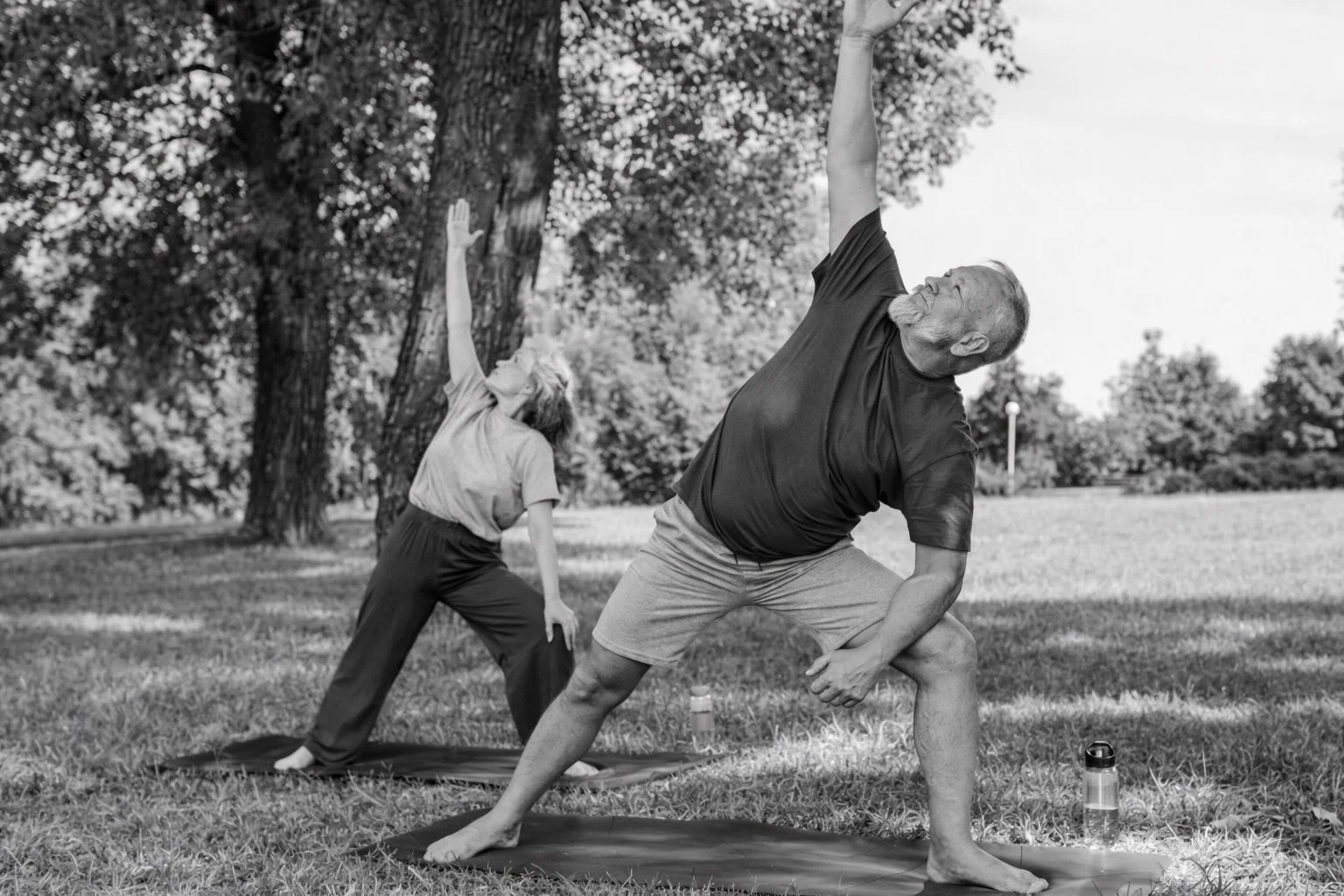
Exercise is one of the most commonly discussed — and often misunderstood — aspects of living with autoimmune rheumatic disease. Many people worry that activity might worsen inflammation, accelerate joint damage or trigger flares. Others feel unsure where to start, particularly if pain, stiffness or fatigue have already limited their activity.
For most people with autoimmune rheumatic disease, appropriate exercise is beneficial. The key lies in understanding what helps, when to exercise, and how to adapt activity to disease activity and individual circumstances.
Why Exercise Matters in Autoimmune Rheumatic Disease
Autoimmune rheumatic diseases affect more than joints alone. They can influence muscles, tendons, energy levels, cardiovascular health and overall physical resilience.
Regular, appropriate physical activity can:
improve muscle strength and joint support
reduce stiffness
improve fatigue and stamina
support cardiovascular health
protect bone health
improve mood and mental wellbeing
Crucially, exercise does not increase immune activity or worsen autoimmune disease when it is appropriately paced and adapted.
(Related reading on this site: Fatigue in Rheumatic Disease; Rheumatoid Arthritis Explained; Psoriatic Arthritis Explained; Axial Spondyloarthritis Explained)
Common Concerns About Exercise
Patients often raise similar questions:
“Will exercise worsen inflammation?”
“Am I damaging my joints?”
“Should I rest completely during flares?”
“Why do I feel worse after some activities but better after others?”
These concerns are understandable. A key part of effective care is helping people distinguish between helpful discomfort and harmful pain.
Inflammatory Pain vs Mechanical Pain
Understanding the nature of pain helps guide safe exercise choices.
Inflammatory Pain
worse with rest
marked morning stiffness
improves with gentle movement
In this context, regular, gentle movement usually helps, even if it feels difficult initially.
Mechanical Pain
worse with activity or load
sharp or localised
improves with rest
Here, modifying activity, technique or load may be appropriate.
If pain patterns change or become unclear, review is sensible.
Exercise During Disease Flares
During a flare, the aim is not progression or fitness gains, but maintaining movement and preventing deconditioning.
Helpful strategies include:
gentle range-of-motion exercises
short, frequent walks
light stretching
avoiding prolonged bed rest
Complete inactivity often worsens stiffness, weakness and fatigue.
Exercise During Stable Disease or Remission
When inflammation is well controlled, exercise becomes a key part of long-term disease management.
At this stage, structured activity can:
rebuild strength
improve endurance
restore confidence in movement
Progression should always be gradual and individualised.
What Types of Exercise Are Most Helpful?
Most people benefit from a combination of approaches.
Strength Training
supports joints
reduces pain over time
protects against muscle loss
supports bone health
This does not require heavy weights — resistance bands, light weights or body-weight exercises are often sufficient.
Aerobic Exercise
walking
cycling
swimming
low-impact classes
These improve cardiovascular fitness and fatigue, which is particularly important in inflammatory disease.
Flexibility and Mobility
stretching
yoga
Pilates
mobility-focused exercises
These help reduce stiffness and improve confidence in movement, especially in axial disease.
Exercise and Sleep Regulation
Sleep disturbance is common in autoimmune rheumatic disease and can significantly worsen pain, fatigue and concentration.
Regular, appropriate exercise helps support sleep regulation by:
improving circadian rhythm stability
reducing night-time pain
improving overall physical conditioning
This does not require high-intensity activity. Gentle aerobic exercise, stretching or strengthening earlier in the day can improve sleep depth and continuity. For some people, exercising late in the evening may worsen sleep and should be adjusted.
(Related reading: Fatigue in Rheumatic Disease: Why It Happens and What Actually Helps)
Fear of Movement and Deconditioning
Many people reduce activity because they fear worsening symptoms. Over time, this leads to deconditioning, where muscles weaken and everyday tasks become more tiring.
Breaking this cycle requires:
reassurance
gradual re-introduction of activity
realistic expectations
Small, consistent steps are far more important than intensity.
Setting Realistic Expectations
When starting or returning to exercise, it helps to focus on long-term benefit rather than immediate results.
Exercise rarely produces dramatic changes over days. Benefits usually accumulate over weeks to months. Early sessions may feel tiring or uncomfortable, particularly if activity levels have been low. This does not mean exercise is harmful or ineffective.
A useful way to think about exercise in autoimmune rheumatic disease is as part of long-term disease management, much like medication — not a quick fix.
The Value of Shared Activity and Support
Many people find it easier — and more enjoyable — to be active with a partner, friend or family member. Shared activity can provide encouragement, accountability and reassurance, especially on days when motivation is low.
Support from local patient groups or arthritis organisations can also be valuable. Exercising alongside others with similar conditions can reduce isolation and build confidence.
Support does not need to be formal. Even regular walks or gentle home-based routines shared with someone else can make exercise more achievable and sustainable.
Exercise, Medications and Disease Control
Exercise works best alongside effective medical treatment.
Optimising disease control with:
DMARDs
biologic therapies
targeted treatments
can reduce inflammation and make exercise more manageable.
(Related reading: DMARDs Explained; Anti-TNF Treatments in Rheumatology)
When to Seek Advice
Review is sensible if:
exercise consistently worsens symptoms
new pain patterns develop
fatigue is overwhelming
confidence in movement is very low
Physiotherapists with experience in rheumatology can provide tailored programmes and support safe progression.
In Summary
Exercise is beneficial in most autoimmune rheumatic diseases
It does not worsen inflammation when appropriately paced
Different phases of disease require different approaches
Strength, aerobic activity and mobility all matter
Consistency is more important than intensity
Benefits build gradually over time
Shared activity and support improve sustainability
Trusted Patient Information Resources
NHS — Exercise and long-term conditions
https://www.nhs.uk/live-well/exercise/exercise-health-benefits/
Arthritis UK — Staying active with arthritis
https://www.arthritisuk.org/get-involved/exercise-and-arthritis
Lupus UK - Diet and Exercise
Please note, these posts are for general information only and do not constitute medical advice. Dr Singh would encourage you to speak to your healthcare professional to be assessed and managed for your specific symptoms.