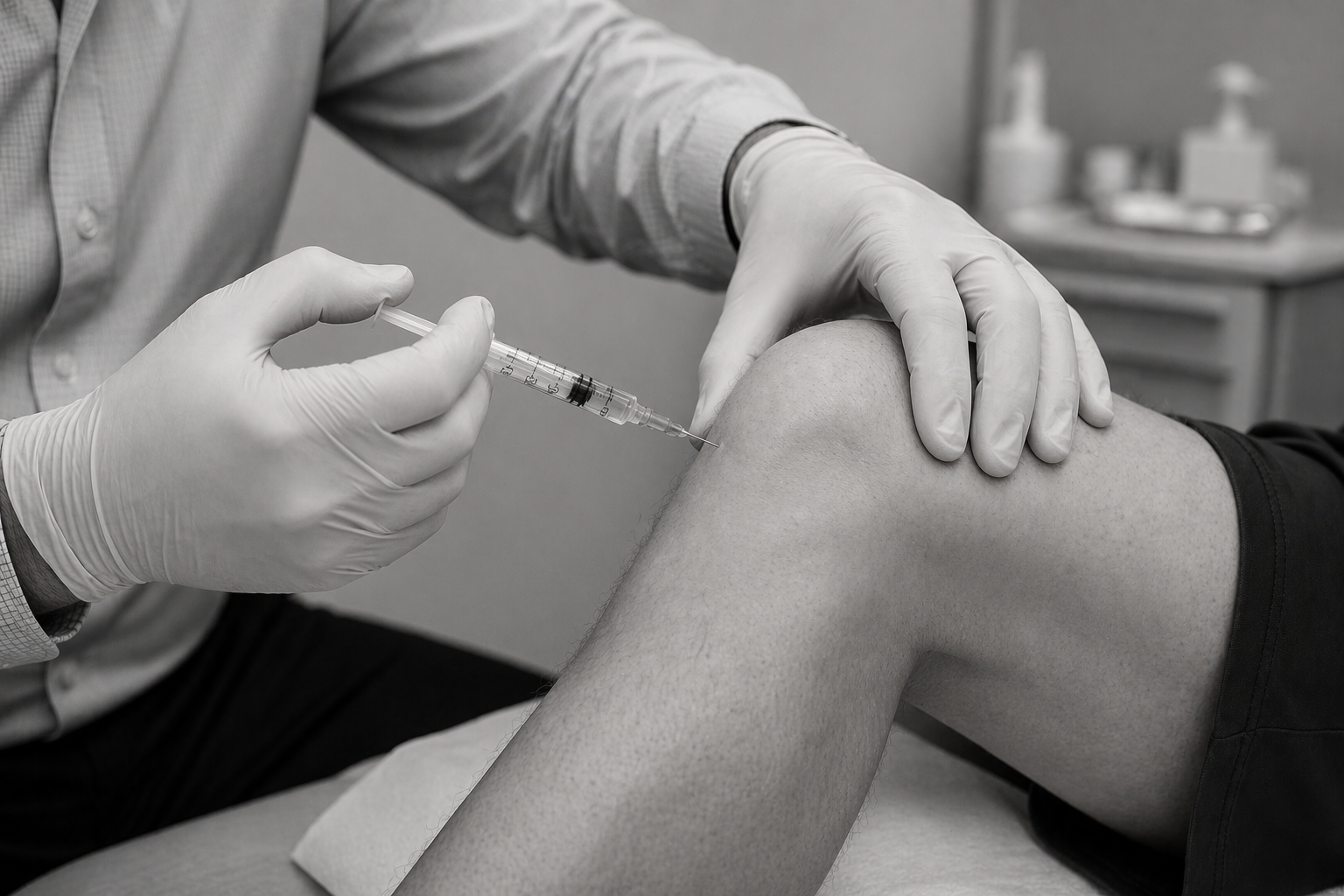
Private Joint Pain, Osteoarthritis and Soft Tissue Injection Clinic in London
Joint pain can arise from osteoarthritis, inflammation, tendon problems, bursitis, nerve irritation, crystal arthritis, injury or referred pain.
Soft tissue problems such as tendinopathy, plantar fasciitis, tennis elbow, golfer’s elbow, trochanteric bursitis, trigger finger, De Quervain’s tenosynovitis and carpal tunnel syndrome can also cause significant pain and loss of function.
Dr Animesh Singh offers consultant-led assessment in London for patients with joint pain, osteoarthritis flares, soft tissue pain and conditions where injection treatment may be appropriate.
The aim is to identify the cause of symptoms, explain the diagnosis clearly and advise whether treatment should involve rehabilitation, medication, imaging, injection treatment or onward specialist input.
Private osteoarthritis Assessment at a Glance
Assessment of osteoarthritis, joint pain and soft tissue problems
Assessment of hand, wrist, shoulder, hip, knee, foot and ankle pain
Advice on corticosteroid, hyaluronic acid and PRP injections in selected cases
Personalised advice on diagnosis, treatment options and next steps
★★★★★ Highly rated by patients on Doctify and Google, with more than 800 patient reviews

Dr Animesh Singh is a Consultant Rheumatologist and General Internal Medicine Physician at the Royal Free Hospital, where he is Clinical Lead for Rheumatology. He offers private assessment in London for patients with joint pain, osteoarthritis, soft tissue pain, tendon problems, bursitis, plantar fasciitis, carpal tunnel syndrome and conditions where injection treatment may be considered.
Joint and soft tissue pain can have several possible causes. Osteoarthritis, inflammatory arthritis, gout, tendon problems, bursitis, nerve entrapment, injury and referred pain can sometimes produce overlapping symptoms. Specialist assessment helps clarify the diagnosis, decide whether imaging or blood tests are needed and identify the most appropriate treatment approach. Injection treatment can be helpful in selected cases, but it is not the right answer for every painful joint or tendon problem. Dr Singh’s approach is to assess the cause of pain first, then advise whether injection treatment, rehabilitation, medication, imaging or onward specialist input is most appropriate. Where clinically appropriate, ultrasound-guided injections can be requested or arranged with a Consultant Musculoskeletal Radiologist.
Dr Singh is highly rated by patients on Doctify and Google, with more than 800 patient reviews.

Common Joint and Soft Tissue Problems Treated
Joint and soft tissue pain can affect many areas of the body, including the hands, wrists, shoulders, hips, knees, feet and ankles.
Assessment focuses on identifying the cause of pain and deciding whether treatment should involve rehabilitation, medication, injection treatment, imaging or referral to another specialist.
🔹 Osteoarthritis and Joint Pain
Assessment may be helpful for:
knee osteoarthritis
hand osteoarthritis
thumb-base osteoarthritis
hip osteoarthritis
osteoarthritis flares
persistent or unexplained joint pain
🔹 Shoulder and Upper Limb Pain
Shoulder and upper limb problems may include:
rotator cuff tendinopathy
shoulder bursitis
frozen shoulder
tennis elbow
golfer’s elbow
upper limb tendon problems
🔹 Hand, Wrist and Thumb Problems
Hand and wrist symptoms may be caused by joint, tendon or nerve-related problems.
These may include:
thumb-base pain
wrist pain
trigger finger
De Quervain’s tenosynovitis
carpal tunnel syndrome
hand osteoarthritis
🔹 Hip, Knee and Foot Pain
Lower limb pain may arise from joints, tendons, bursae, fascia or referred pain.
Common problems include:
knee pain
hip pain
greater trochanteric pain syndrome
trochanteric bursitis
plantar fasciitis
Achilles tendinopathy
🔹 Diagnostic Uncertainty
Not all joint or soft tissue pain is osteoarthritis.
Assessment can help identify whether symptoms may be due to:
inflammatory arthritis
gout or crystal arthritis
tendon or bursal problems
nerve entrapment
referred pain
injury or mechanical overload
another rheumatological condition
🔹 Tendon and Bursal Problems
Soft tissue rheumatology problems may include:
tendinopathy
tenosynovitis
bursitis
enthesopathy
soft tissue inflammation
pain around joints rather than inside the joint itself
Understanding Joint Pain, Osteoarthritis and Soft Tissue Pain
Joint pain can have many causes, and the right treatment depends on identifying the correct source of symptoms.
Pain may come from the joint itself, surrounding tendons, bursae, ligaments, nerves, muscles or referred pain from another area.
-
What Can Cause Joint Pain?
Joint pain can be caused by several different problems.
These include:
osteoarthritis
inflammatory arthritis
gout or crystal arthritis
tendon problems
bursitis
nerve entrapment
injury or overload
referred pain from the neck, back or hip
The pattern of pain, stiffness, swelling, movement restriction and examination findings can help identify the likely cause.
-
What Is Osteoarthritis?
Osteoarthritis is a common joint condition that can cause pain, stiffness and reduced function.
It may affect joints such as the knees, hips, hands, thumb base, spine, feet or shoulders.
Osteoarthritis symptoms can fluctuate. Some patients have background aching, while others experience painful flares.
-
What Are Soft Tissue Rheumatology Problems?
Soft tissue rheumatology refers to problems affecting structures around joints rather than the joint itself.
These may include:
tendons
tendon sheaths
bursae
fascia
ligaments
entheses
nerves
Examples include plantar fasciitis, tennis elbow, golfer’s elbow, trochanteric bursitis, De Quervain’s tenosynovitis, trigger finger and carpal tunnel syndrome.
-
How Are Tendon and Bursal Problems Different From Arthritis?
Arthritis refers to a problem affecting the joint.
Tendon and bursal problems affect the soft tissues around a joint.
The symptoms can overlap, but treatment may be different. For example, pain on movement may come from osteoarthritis, tendon irritation, bursitis or referred pain, so examination is important.
-
When Might Joint Pain Be Inflammatory?
Joint pain may be inflammatory if it is associated with:
persistent swelling
prolonged morning stiffness
warmth around a joint
symptoms affecting several joints
unexplained fatigue or systemic symptoms
raised inflammatory markers
psoriasis, bowel symptoms, eye inflammation or other autoimmune features
When inflammatory arthritis is suspected, blood tests, imaging and a broader rheumatology assessment may be needed.
-
When Can an Injection Help?
Injection treatment may help in selected cases where pain is coming from a clearly identified joint, bursa, tendon sheath or soft tissue structure.
Injections may be considered for:
osteoarthritis flares
joint inflammation
bursitis
trigger finger
De Quervain’s tenosynovitis
carpal tunnel syndrome
selected soft tissue pain conditions
The decision depends on the diagnosis, severity, previous treatment, imaging findings and likely benefit.
-
When Is an Injection Not the Right Treatment?
An injection is not always the best option.
It may not be appropriate if:
the diagnosis is unclear
pain is mainly referred from another area
there is suspected infection
symptoms are due to widespread pain sensitisation
there is severe structural damage requiring surgical review
rehabilitation or biomechanical treatment is more appropriate
A careful assessment helps decide whether injection treatment is likely to help or whether another approach is more suitable.
How Joint and Soft Tissue Pain Are Assessed
Assessment begins by identifying where the pain is coming from and whether it is due to osteoarthritis, soft tissue inflammation, tendon problems, bursitis, nerve irritation, inflammatory arthritis, crystal arthritis or another cause.
-
The consultation explores:
where the pain is located
how symptoms started
whether there was an injury or trigger
stiffness, swelling or locking
pain with activity or rest
night pain
functional limitations
previous treatments tried
previous scans, X-rays or blood tests
-
Examination may include assessment of:
joint swelling
range of movement
tenderness
tendon function
muscle strength
nerve symptoms
gait or biomechanics where relevant
signs suggesting inflammatory arthritis or crystal arthritis
The examination helps distinguish joint pain from soft tissue, nerve-related or referred pain.
-
Imaging may be helpful depending on the suspected diagnosis.
This may include:
X-rays for osteoarthritis or structural joint change
ultrasound for selected tendon, bursal or soft tissue problems
MRI where more detailed assessment is needed
imaging before injection where clinically appropriate
Imaging is useful when it changes diagnosis, treatment choice or injection planning.
-
Blood tests are not needed for every painful joint.
They may be considered if there is concern about:
inflammatory arthritis
gout or crystal arthritis
infection
autoimmune disease
unexplained inflammation
systemic symptoms
Tests are selected according to the clinical picture.
-
After assessment, patients are given a clear explanation of the likely cause of symptoms.
The plan may include:
reassurance and explanation
physiotherapy or rehabilitation
activity modification
medication advice
imaging
injection treatment
referral to specialist colleagues where appropriate
Treatment Options, Including Injection Therapy
Treatment depends on the cause of pain, the joint or soft tissue structure involved, symptom severity, previous treatment and the patient’s goals.
The aim is to reduce pain, improve function and choose the most appropriate treatment pathway, rather than defaulting to a one-size-fits-all approach.
-
Understanding the cause of pain is often the first step in treatment.
A clear diagnosis can help patients understand:
why symptoms are occurring
what activities may aggravate pain
whether the problem is joint-related or soft tissue-related
whether imaging or blood tests are needed
whether injection treatment is likely to help
-
Many joint and soft tissue problems improve with targeted rehabilitation.
This may include:
strengthening exercises
stretching or mobility work
tendon loading programmes
activity modification
pacing advice
gait or movement assessment
physiotherapy support where appropriate
The right approach depends on the diagnosis and stage of the condition.
-
Some conditions may benefit from mechanical support or offloading.
This may include:
thumb splints for thumb-base osteoarthritis
wrist splints for selected wrist or carpal tunnel symptoms
footwear advice for foot pain
orthotics or podiatry input for selected foot and ankle problems
braces or supports in selected cases
These measures can be particularly helpful when symptoms are affected by loading, posture or biomechanics.
-
Medication may be considered depending on the diagnosis, severity and medical history.
Options may include:
topical anti-inflammatory gels
oral pain relief where appropriate
anti-inflammatory medication in selected patients
treatment of gout or inflammatory arthritis if identified
review of medication risks and suitability
Medication advice should be individualised, particularly in patients with stomach, kidney, heart, blood pressure or anticoagulation considerations.
-
Injection treatment may be helpful for selected joint and soft tissue conditions when the diagnosis is clear and the target structure has been identified.
Depending on the condition, injection options may include:
corticosteroid injections for selected joints, bursae, tendon sheath or soft tissue inflammation
joint injections for osteoarthritis flares or inflammatory pain where appropriate
bursal injections, such as for trochanteric bursitis or shoulder bursitis
tendon sheath or peri-tendinous injections for selected conditions such as trigger finger or De Quervain’s tenosynovitis
carpal tunnel injection in selected patients
hyaluronic acid injections in selected cases of osteoarthritis
platelet-rich plasma, also known as PRP, in selected soft tissue or osteoarthritis cases
Injections are not the right answer for every painful joint or tendon problem. The decision depends on the diagnosis, severity, previous treatment, imaging findings, patient preference and likely benefit.
-
Some injections may be more appropriate under ultrasound guidance, particularly when the target is small, deep, difficult to access or close to important structures.
Ultrasound guidance may be considered for selected joint, bursal, tendon sheath or soft tissue injections.
Where clinically appropriate, injections can be requested or arranged under ultrasound guidance with a Consultant Musculoskeletal Radiologist.
-
Some joint and soft tissue problems are best managed with input from other specialists.
Depending on the diagnosis, this may include referral to:
physiotherapists for rehabilitation, strengthening and movement retraining
hand therapists for hand, wrist, thumb, tendon or nerve-related problems
podiatrists for foot, ankle, plantar fasciitis or biomechanical issues
orthopaedic surgeons where structural disease, persistent symptoms or surgical options need to be considered
Consultant Musculoskeletal Radiologists for ultrasound-guided injections or imaging-led procedures where clinically appropriate
The aim is to ensure that patients are directed to the most appropriate treatment pathway rather than receiving a one-size-fits-all approach.
-
Some patients benefit from orthopaedic review, particularly where there is:
advanced osteoarthritis
persistent pain despite appropriate treatment
significant mechanical symptoms
severe loss of function
structural tendon or joint problems
consideration of surgical options
A rheumatology assessment can help determine whether symptoms are best managed medically, with injection treatment, rehabilitation or surgical opinion.
Key Message
Injections can be very helpful for selected joint, osteoarthritis and soft tissue problems, but they work best when the diagnosis is clear and the treatment is targeted to the right structure.
Dr Singh’s approach is to assess the cause of pain first, then advise whether injection treatment, rehabilitation, imaging, medication or referral to specialist colleagues is most appropriate.
Need Help With Joint Pain, Osteoarthritis or a Soft Tissue Problem?
If you have persistent joint pain, an osteoarthritis flare, tendon pain, bursitis, plantar fasciitis, carpal tunnel symptoms or another soft tissue problem, a specialist assessment can help identify the cause and guide the right treatment.
Dr Singh offers consultant-led assessment for joint and soft tissue pain in London, including advice on rehabilitation, medication, imaging, injection treatment and referral to specialist colleagues where appropriate.
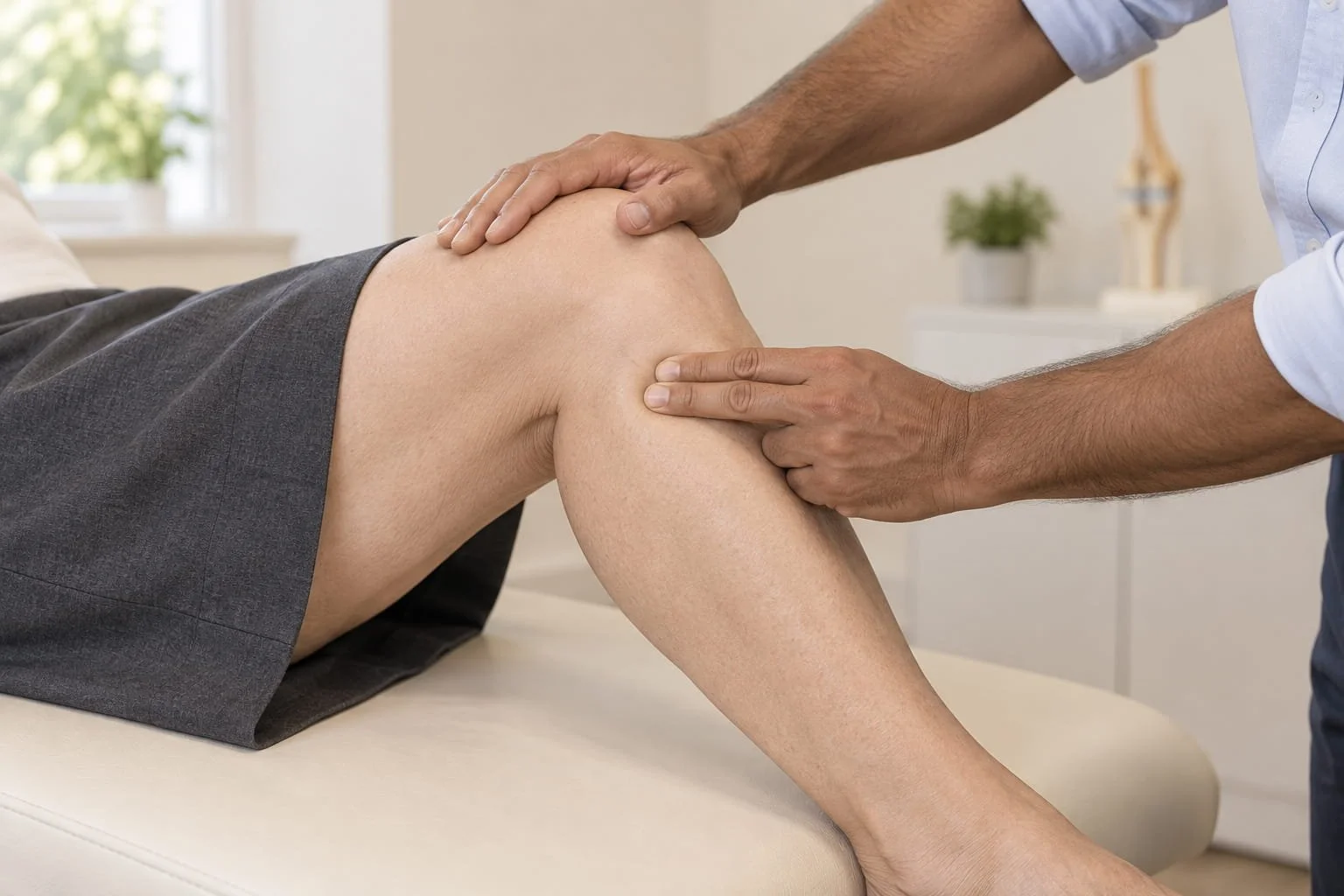
When to Consider a Private Joint Pain or Injection Appointment
A private assessment may be helpful if you:
Have persistent joint pain that has not settled with usual measures
Have osteoarthritis pain or a painful osteoarthritis flare
Have shoulder, knee, hip, hand, wrist, thumb, foot or ankle pain
Have tendon pain, bursitis, plantar fasciitis, tennis elbow or golfer’s elbow
Have trigger finger, De Quervain’s tenosynovitis or carpal tunnel symptoms
Are unsure whether pain is coming from a joint, tendon, bursa, nerve or another source
Have swelling, stiffness or symptoms that may suggest inflammatory arthritis or gout
Are considering a corticosteroid, hyaluronic acid or PRP injection
Would like advice about whether an injection is appropriate
Need advice about imaging, physiotherapy, hand therapy, podiatry or orthopaedic referral
Would like a second opinion about diagnosis or treatment options
Injection treatment can be helpful in selected cases, but it works best when the diagnosis is clear and the treatment is targeted to the right structure.

Why see Dr Animesh Singh privately?
Joint and soft tissue pain can have several possible causes, and the best treatment depends on identifying the source of symptoms.
Patients may seek a private assessment for:
clarification of the cause of joint or soft tissue pain
assessment of osteoarthritis, tendon problems, bursitis or nerve-related symptoms
advice about whether an injection is appropriate
review of pain that has not improved with usual treatment
assessment for inflammatory arthritis, gout or crystal arthritis where relevant
guidance on imaging, rehabilitation or medication options
referral to specialist colleagues where needed
a second opinion about diagnosis or treatment
Dr Singh’s approach is to assess the cause of pain first, then advise whether treatment should involve rehabilitation, medication, injection therapy, imaging or referral to specialist colleagues such as physiotherapists, hand therapists, podiatrists, orthopaedic surgeons or Consultant Musculoskeletal Radiologists.
Where clinically appropriate, ultrasound-guided injections can be requested or arranged with a Consultant Musculoskeletal Radiologist.
The aim is to provide a clear diagnosis and a practical, personalised plan to reduce pain and improve function.
Consultant Rheumatologist and General Internal Medicine Physician at the Royal Free Hospital
Clinical Lead for Rheumatology at the Royal Free Hospital
Experience assessing joint pain, osteoarthritis, inflammatory arthritis, gout and crystal arthritis
Experience assessing soft tissue rheumatology problems including tendinopathy, bursitis, plantar fasciitis, tennis elbow, golfer’s elbow, trigger finger, De Quervain’s tenosynovitis and carpal tunnel syndrome
Experience advising on corticosteroid injections, hyaluronic acid injections and PRP injections in selected cases
Experience distinguishing joint, tendon, bursal, nerve-related and referred pain patterns
Works with specialist colleagues including physiotherapists, hand therapists, podiatrists, orthopaedic surgeons and Consultant Musculoskeletal Radiologists where appropriate
Ultrasound-guided injections can be requested or arranged with a Consultant Musculoskeletal Radiologist where clinically appropriate
Highly rated by patients on Doctify and Google, with more than 800 patient reviews
Private Joint Pain, Osteoarthritis and Injection Appointments in London
Consultant-Led Joint Pain and Soft Tissue Assessment Across London
Dr Singh offers private assessment for patients with joint pain, osteoarthritis, soft tissue pain and conditions where injection treatment may be appropriate.
Appointments are available for patients with:
osteoarthritis pain or flares
persistent joint pain
shoulder, knee, hip, hand, wrist, thumb, foot or ankle pain
tendon problems, bursitis or soft tissue pain
plantar fasciitis, tennis elbow or golfer’s elbow
trigger finger, De Quervain’s tenosynovitis or carpal tunnel symptoms
diagnostic uncertainty about the cause of pain
questions about corticosteroid, hyaluronic acid or PRP injections
requests for a second opinion about diagnosis or treatment options
Self-pay and insured patients are welcome. Self-pay patients can book directly without a GP referral, while insured patients should check their policy requirements before booking.
Where clinically appropriate, ultrasound-guided injections can be requested or arranged with a Consultant Musculoskeletal Radiologist.
Private joint pain, osteoarthritis and soft tissue assessments in Central London, near Harley Street, Marylebone and Oxford Circus.
This clinic may be suitable for patients seeking a central London location or those travelling from outside London.
Private joint pain, osteoarthritis and soft tissue assessments at the Royal Free Hospital in Hampstead.
This provides access to a major London teaching hospital environment and Dr Singh’s experience assessing rheumatological, inflammatory, osteoarthritis and soft tissue pain presentations.
Private joint pain, osteoarthritis and soft tissue assessments in West London, convenient for Chiswick, Richmond, Ealing, Acton, Hammersmith and surrounding areas.

Common Questions About Joint Pain, Osteoarthritis and Injection Treatment
These answers cover common questions patients ask when seeking assessment for joint pain, osteoarthritis, soft tissue pain, tendon problems, bursitis or injection treatment.
-
Joint pain can have many causes, including osteoarthritis, inflammatory arthritis, gout, tendon problems, bursitis, nerve irritation, injury, overload or referred pain from another area.
A specialist assessment helps identify the likely cause and guide the right treatment.
-
No.
Osteoarthritis is common, but joint pain may also be caused by inflammatory arthritis, gout, soft tissue problems, tendon disease, bursitis, nerve entrapment or referred pain.
The pattern of pain, stiffness, swelling, movement and examination findings can help distinguish between these causes.
-
Osteoarthritis is a common joint condition that can cause pain, stiffness, swelling and reduced function.
It may affect the knees, hips, hands, thumb base, feet, spine or other joints.
Symptoms can fluctuate, and some patients experience painful osteoarthritis flares.
-
Soft tissue rheumatology problems affect structures around joints rather than the joint itself.
These may include tendons, tendon sheaths, bursae, fascia, ligaments, entheses and nerves.
Examples include plantar fasciitis, tennis elbow, golfer’s elbow, trochanteric bursitis, De Quervain’s tenosynovitis, trigger finger and carpal tunnel syndrome.
-
The location, triggers and examination findings are important.
Joint pain may be associated with stiffness, swelling, restricted movement or pain deep within the joint.
Tendon or bursal pain may be more localised and may worsen with specific movements, loading or pressure over the affected area.
Assessment helps identify the most likely source of symptoms.
-
Joint pain may be inflammatory if it is associated with:
persistent swelling
prolonged morning stiffness
warmth around a joint
multiple affected joints
unexplained fatigue or systemic symptoms
raised inflammatory markers
psoriasis, bowel symptoms or eye inflammation
recurrent flares suggesting gout or crystal arthritis
If inflammatory arthritis or gout is suspected, further rheumatology assessment may be needed.
-
Injections can help some patients with osteoarthritis pain or flares, particularly when symptoms are localised and the diagnosis is clear.
The likely benefit depends on the joint involved, severity of osteoarthritis, previous treatments, imaging findings and individual patient factors.
Injection treatment is not suitable for every patient with osteoarthritis.
-
Depending on the diagnosis, injection options may include:
corticosteroid injections for selected joints, bursae, tendon sheath or soft tissue inflammation
hyaluronic acid injections in selected cases of osteoarthritis
platelet-rich plasma, also known as PRP, in selected soft tissue or osteoarthritis cases
carpal tunnel injection in selected patients
tendon sheath or peri-tendinous injections for selected soft tissue conditions
bursal injections, such as for trochanteric bursitis or shoulder bursitis
The choice depends on diagnosis, likely benefit, safety considerations and patient preference.
-
Corticosteroid injections can be helpful in selected joint and soft tissue conditions.
Like all treatments, they have potential risks and benefits.
The decision depends on the diagnosis, location, frequency of injections, medical history, diabetes status, anticoagulation, infection risk and previous response to treatment.
-
Hyaluronic acid injections are sometimes considered for selected patients with osteoarthritis.
They are not suitable for every patient, and benefit can vary.
A specialist assessment can help decide whether hyaluronic acid is a reasonable option or whether another approach is more appropriate.
-
PRP stands for platelet-rich plasma.
It involves using a processed sample of the patient’s own blood to produce a platelet-rich preparation that is injected into a selected area.
PRP may be considered in selected soft tissue or osteoarthritis cases, but it is not suitable for every condition and should be considered in the context of diagnosis, evidence, expectations and alternatives.
-
Not always.
Some injections can be performed without ultrasound guidance, while others may be more appropriate under ultrasound guidance.
Ultrasound guidance may be helpful when the target is small, deep, difficult to access or close to important structures.
Where clinically appropriate, ultrasound-guided injections can be requested or arranged with a Consultant Musculoskeletal Radiologist.
-
Injections around tendon problems need careful assessment.
In many cases, the target may be a tendon sheath, bursa or surrounding soft tissue rather than directly into the tendon itself.
The safest and most appropriate approach depends on the diagnosis, anatomy and clinical situation.
-
Injections may be considered in selected cases, but they are not always the best first treatment.
Tennis elbow and golfer’s elbow often require careful diagnosis, activity modification and rehabilitation.
The role of injection treatment depends on symptom duration, severity, previous treatment and individual goals.
-
Some patients with plantar fasciitis may benefit from injection treatment, but this is not suitable for everyone.
Management may also include stretching, footwear advice, orthotics, activity modification, physiotherapy or podiatry input.
Assessment helps decide which approach is most appropriate.
-
Carpal tunnel injection may be considered in selected patients.
The decision depends on symptom severity, duration, nerve symptoms, previous treatment, examination findings and whether nerve conduction studies or hand surgery opinion are needed.
-
The appointment focuses on identifying the cause of pain and deciding the best treatment approach.
Assessment may include:
symptom history
examination
review of previous imaging or blood tests
discussion of diagnosis
advice about treatment options
consideration of injection treatment where appropriate
referral to specialist colleagues where needed
-
Not always.
Imaging may be helpful if the diagnosis is unclear, symptoms are persistent, structural disease is suspected or ultrasound guidance is being considered.
Imaging may include X-ray, ultrasound or MRI depending on the clinical situation.
-
Many joint and soft tissue problems benefit from physiotherapy or structured rehabilitation.
This is particularly important for tendinopathy, bursitis, osteoarthritis, shoulder pain, back-related referred pain and recovery after injury.
Dr Singh may recommend physiotherapy where it is likely to improve pain, strength, movement or function.
-
Some problems are best managed with input from other specialists.
This may include:
hand therapists for hand, wrist, thumb, tendon or nerve-related problems
podiatrists for foot, ankle, plantar fasciitis or biomechanical issues
orthopaedic surgeons where structural disease, persistent symptoms or surgical options need to be considered
The aim is to direct patients to the right treatment pathway.
-
Yes.
A second opinion may be helpful if:
the diagnosis is unclear
pain has not improved with usual treatment
you are unsure whether an injection is appropriate
previous injections have not helped
you are considering PRP or hyaluronic acid injections
you are unsure whether physiotherapy, imaging or surgical review is needed
-
Where available, bring:
previous X-rays, ultrasound scans or MRI reports
blood test results
clinic letters
medication list
details of previous injections
physiotherapy or podiatry reports
a timeline of symptoms and treatments tried
This helps ensure the assessment is as complete as possible.
-
A GP referral is not required for self-pay appointments.
If you are using private medical insurance, please check your insurer’s requirements before booking.
-
Yes. Dr Singh sees insured patients.
Please check your insurer’s requirements before booking and bring any required authorisation details.
-
Because joint and soft tissue pain can have many different causes, the most useful resources are condition-specific.
Useful Arthritis UK pages include:
Osteoarthritis
Information about osteoarthritis symptoms, diagnosis and treatment options.
Osteoarthritis of the KneeInformation about knee osteoarthritis, symptoms and treatment options.
Arthritis UK: Osteoarthritis of the knee
Osteoarthritis of the HipInformation about hip osteoarthritis, symptoms and treatment options.
Arthritis UK: Osteoarthritis of the hip
Hand and Wrist PainInformation about hand and wrist pain, including conditions such as carpal tunnel syndrome, De Quervain’s tendinopathy and trigger finger.
Arthritis UK: Hand and wrist pain
Carpal Tunnel SyndromeInformation about carpal tunnel syndrome, including symptoms, causes, diagnosis and treatment.
Arthritis UK: Carpal tunnel syndrome
Elbow PainInformation about elbow pain, including soft tissue problems such as tennis elbow and golfer’s elbow.
https://www.arthritis-uk.org/information-and-support/understanding-arthritis/conditions/elbow-pain/
Hip Pain and Trochanteric BursitisInformation about hip pain, including lateral hip pain, greater trochanteric pain syndrome and trochanteric bursitis.
https://www.arthritis-uk.org/information-and-support/understanding-arthritis/conditions/hip-pain/
Plantar Heel Pain / Plantar FasciitisInformation about plantar heel pain, often called plantar fasciitis.
Arthritis UK: Plantar heel pain
Foot and Ankle PainInformation about foot and ankle pain, including plantar fasciitis, Achilles tendinopathy, bursitis and arthritis-related foot problems.
Arthritis UK: Foot and ankle pain
These resources can help you understand possible causes of joint or soft tissue pain and prepare questions for your consultation, but they should not replace personalised medical advice.

Ready to Arrange a Private Joint Pain or Injection Assessment?
If you have persistent joint pain, osteoarthritis, tendon pain, bursitis, plantar fasciitis, carpal tunnel symptoms or another soft tissue problem, a specialist assessment can help identify the cause and guide the most appropriate treatment.
Dr Singh provides consultant-led joint pain, osteoarthritis and soft tissue assessment in London, with advice on rehabilitation, medication, imaging, injection treatment and referral to specialist colleagues where appropriate.