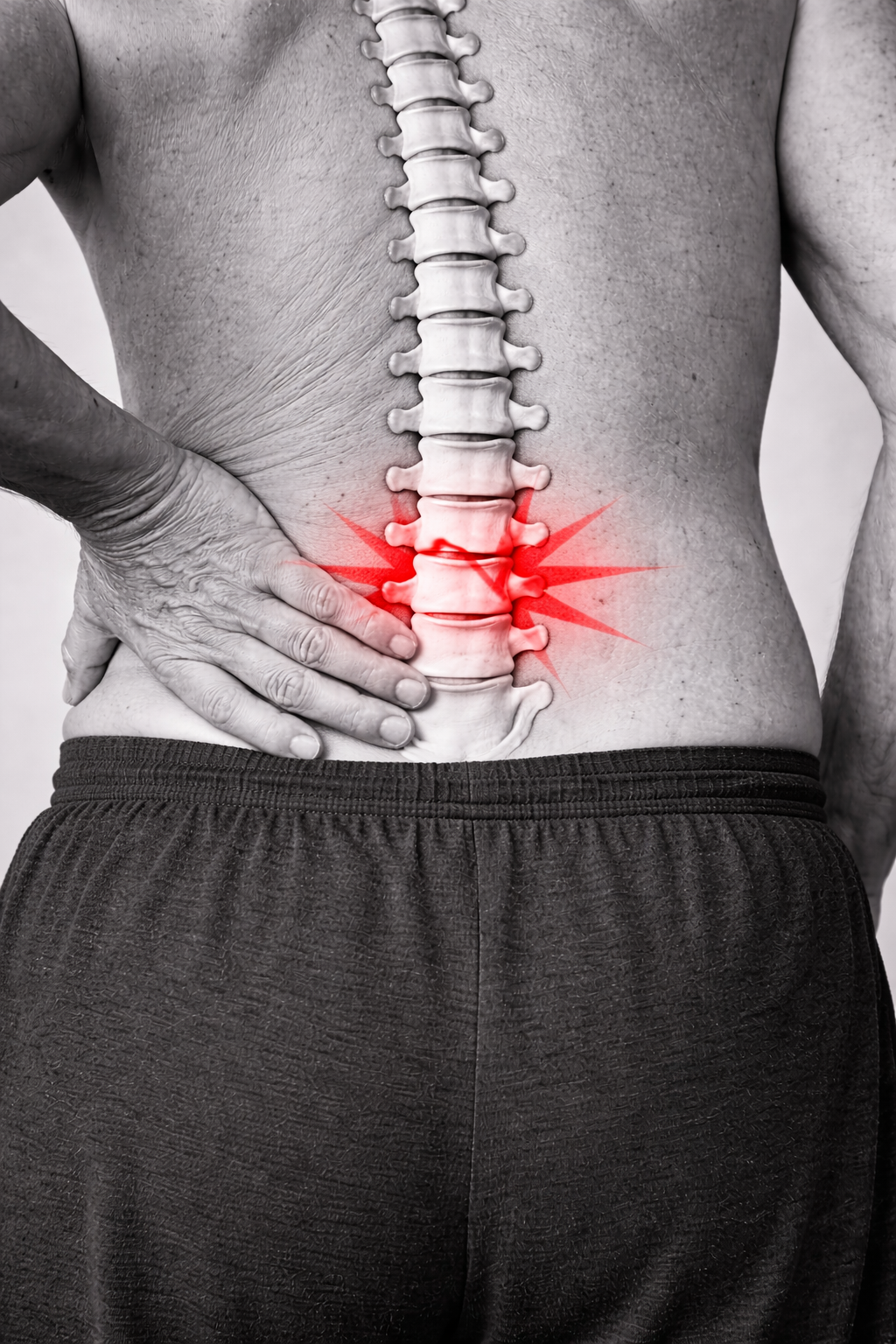
Private Osteoporosis and Bone Health Specialist in London
Osteoporosis is a condition where bones become weaker and more likely to fracture. It often develops without symptoms, meaning some people only discover they have osteoporosis after a fracture or an abnormal bone density scan.
A specialist assessment can help you understand your individual fracture risk, interpret bone density results and identify factors contributing to bone loss.
Dr Animesh Singh offers consultant-led assessment and treatment in London for patients with osteoporosis, low bone density, fragility fractures, steroid-related bone loss, complex bone health concerns or uncertainty about treatment options.
He provides personalised advice on investigations, fracture prevention and treatment options to help protect long-term bone health.

Dr Animesh Singh is a Consultant Rheumatologist and General Internal Medicine Physician at the Royal Free Hospital, where he is Clinical Lead for Rheumatology. He offers private assessment and treatment in London for patients with osteoporosis, low bone density, fragility fractures, steroid-related bone loss and uncertainty about bone health investigations or treatment options.
Osteoporosis care involves more than interpreting a bone density scan. Specialist assessment considers fracture history, underlying risk factors, medications, medical conditions and the most appropriate approach to reducing future fracture risk. Dr Singh’s experience in rheumatology and general medicine allows him to support patients with complex bone health issues, including osteoporosis associated with inflammatory disease and long-term steroid treatment.
He is highly rated by patients on Doctify and Google, with more than 800 patient reviews.

Recognising When Osteoporosis Assessment May Be Needed
Osteoporosis often develops without symptoms. Many people only discover they have reduced bone strength after a fracture or a bone density assessment.
A specialist review may be helpful if you have risk factors for bone loss or concerns about your fracture risk.
🔹 Fragility Fractures
A fracture after a relatively minor injury can be a sign that bones are weaker than expected.
Examples include fractures occurring after:
a simple fall from standing height
a minor accident
everyday activities
Fractures of the spine, hip or wrist are particularly important when assessing bone health.
🔹 Low Bone Density
A DEXA scan may show reduced bone density.
Specialist assessment can help interpret:
your bone density results
your overall fracture risk
whether treatment may be beneficial
🔹 Steroid Treatment
Long-term corticosteroid treatment can increase the risk of bone loss.
Assessment may be appropriate if you have used steroids for conditions such as:
polymyalgia rheumatica
giant cell arteritis
inflammatory arthritis
other inflammatory conditions
🔹 Hormonal and Menopause-Related Risk Factors
Bone health can be affected by changes in hormone levels.
Assessment may be considered with:
early menopause
premature ovarian insufficiency
reduced oestrogen exposure
🔹 Medical Conditions and Medications
Some medical conditions and medicines can affect bone strength.
These may include:
inflammatory diseases
thyroid or parathyroid disorders
gastrointestinal conditions affecting absorption
certain long-term medications
A specialist assessment helps bring together these factors to understand your individual fracture risk.
BONE HEALTH REVIEW
Understanding Osteoporosis and Bone Health
Osteoporosis is not simply about having “low bone density”. It is about understanding overall fracture risk and identifying ways to protect bone health.
-
What Is Osteoporosis?
Osteoporosis occurs when bones become weaker and more likely to fracture.
Bone strength depends on several factors, including:
bone density
bone structure
age
previous fractures
other medical conditions
-
What Is Osteopenia?
Osteopenia describes bone density that is lower than average but not necessarily in the osteoporosis range.
Some people with osteopenia may still have a significant fracture risk depending on their age, medical history and other risk factors.
-
Why Can Fractures Happen Without a Major Injury?
Fragility fractures occur when bones break after a level of force that would not normally cause a fracture in stronger bones.
A fracture may sometimes be the first sign that bone strength needs assessment.
-
What Causes Bone Loss?
Bone loss can occur due to a combination of factors, including:
ageing
hormonal changes
genetics
reduced physical activity
inflammatory conditions
certain medications such as corticosteroids
-
Why Does Fracture Risk Matter?
The aim of osteoporosis care is not only to improve scan results, but to reduce the chance of future fractures and maintain independence, mobility and quality of life.
How Osteoporosis Is Assessed
Osteoporosis assessment involves more than measuring bone density.
A specialist review considers your fracture history, medical conditions, medications and overall risk profile to determine the most appropriate management approach.
-
Assessment includes reviewing:
previous fractures
falls risk
family history
lifestyle factors
medications
medical conditions affecting bone health
-
Understanding fracture risk involves looking at the whole clinical picture rather than one individual result.
Factors considered may include:
age
previous fractures
bone density
family history
steroid exposure
other health conditions
-
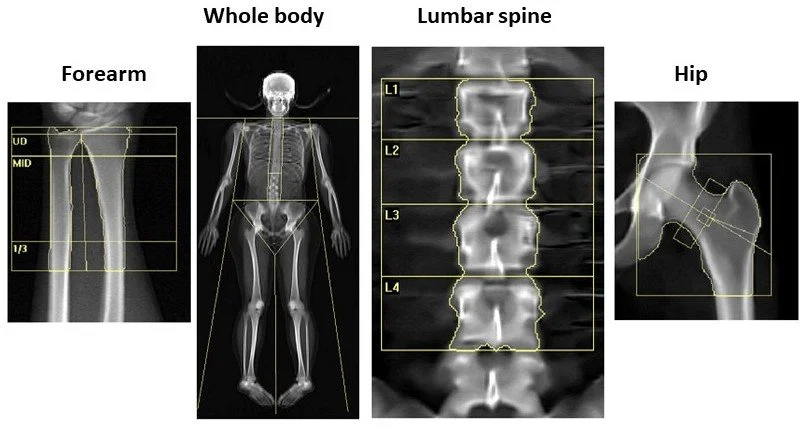
A DEXA scan measures bone mineral density.
Results are interpreted alongside other risk factors to understand whether treatment or monitoring may be appropriate.
-
Blood tests may be used to look for factors contributing to bone loss.
These may include assessment of:
calcium levels
vitamin D status
kidney function
thyroid function
other possible secondary causes
-
The aim is to understand why bone loss has occurred and choose an approach that balances fracture prevention, treatment benefits and individual preferences.
Treatment Options for Osteoporosis
The aim of osteoporosis treatment is to reduce fracture risk, strengthen bone health and help maintain independence and quality of life.
-
Treatment decisions depend on:
fracture history
bone density results
age and overall health
other medical conditions
previous treatments
individual preferences
-
Supporting bone health includes:
regular weight-bearing and resistance exercise
falls prevention strategies
maintaining adequate calcium and vitamin D intake where appropriate
addressing lifestyle factors that affect bone health
-
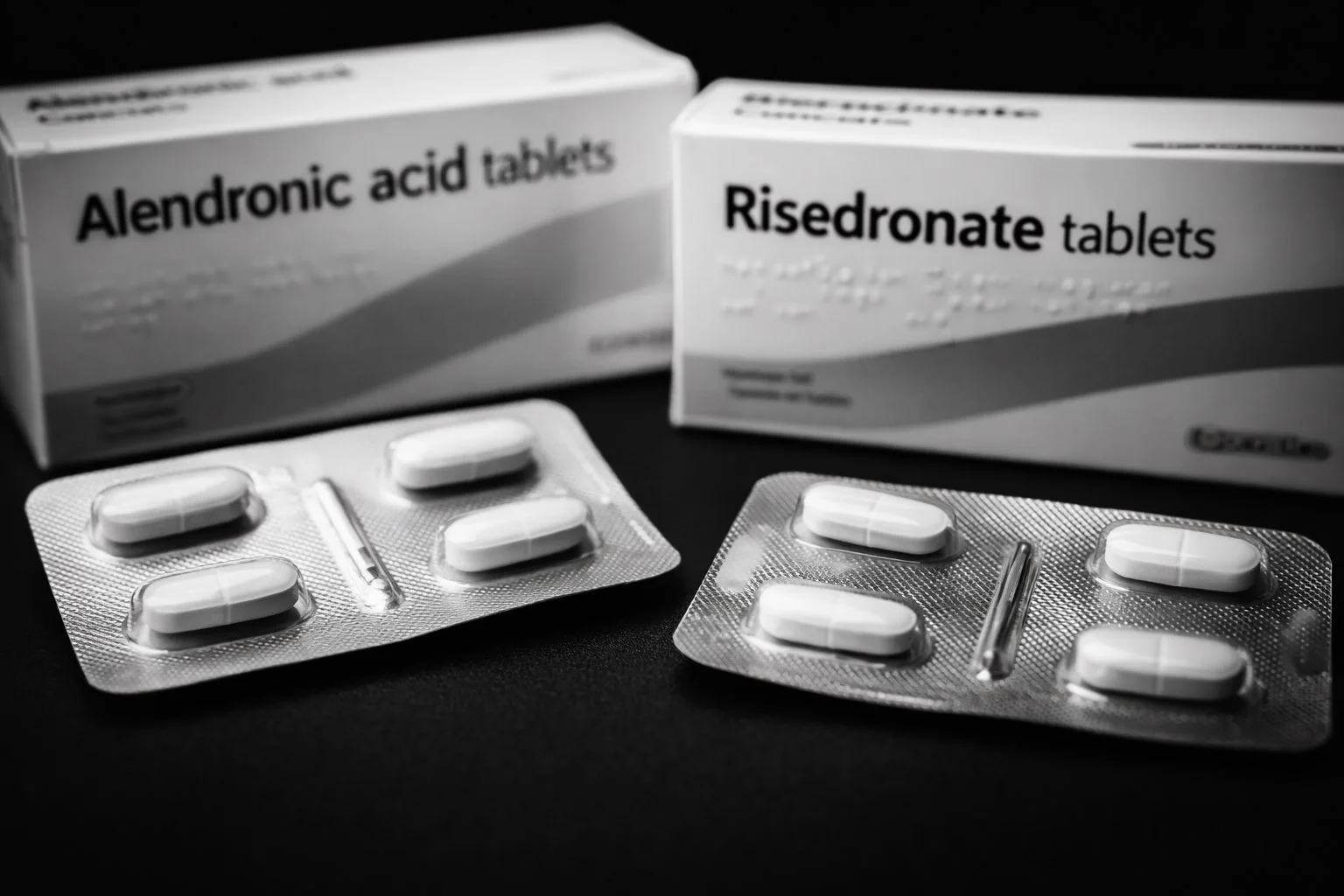
Bisphosphonates are commonly used treatments for osteoporosis.
They work by reducing bone breakdown and helping maintain bone strength.
They may be given as:
tablets
intravenous treatment
The choice depends on individual factors and suitability.
-
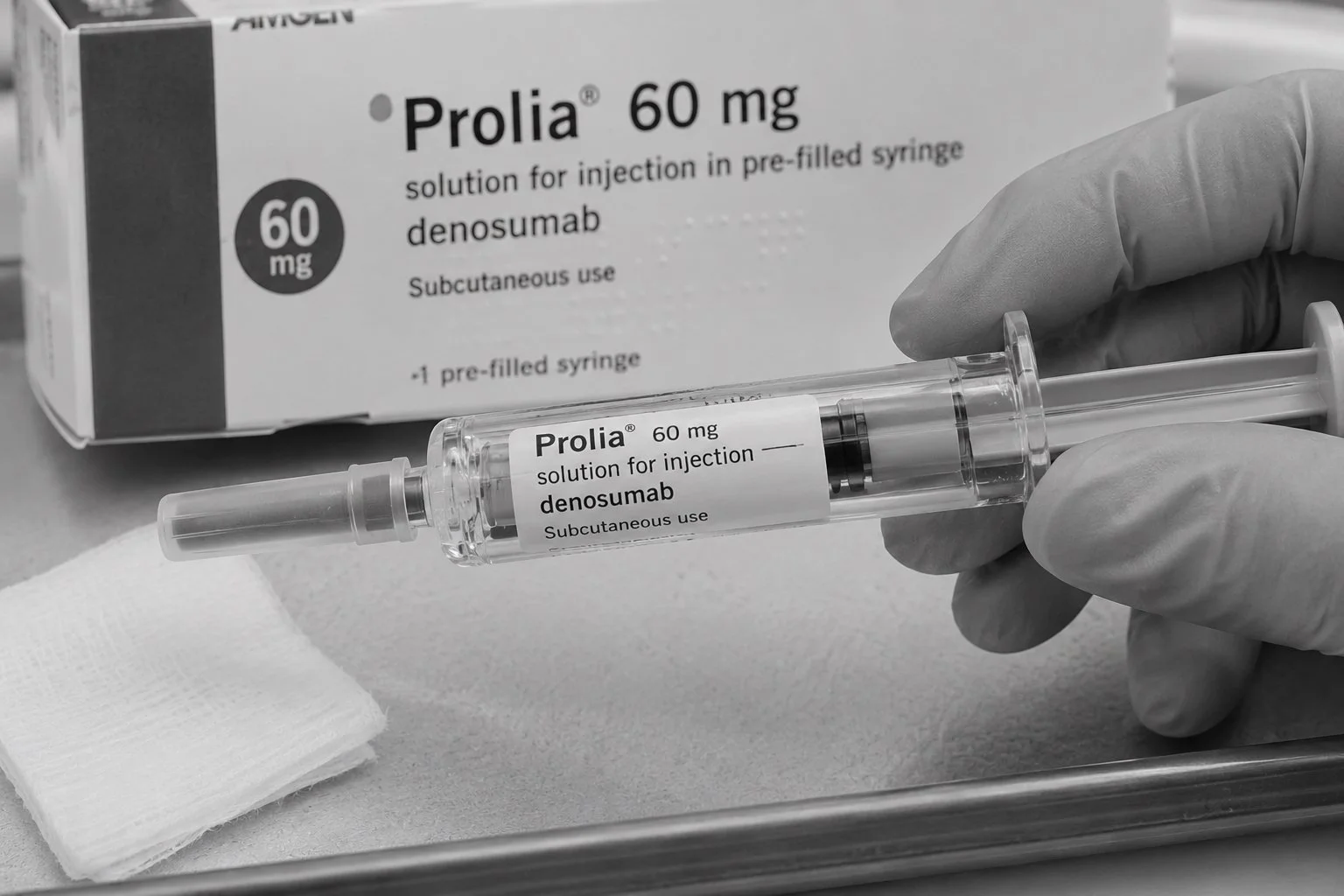
Denosumab is an injectable treatment that reduces bone loss.
It may be considered for selected patients depending on fracture risk, previous treatments and individual circumstances.
Treatment planning is important, particularly when considering starting, delaying or stopping therapy.
-
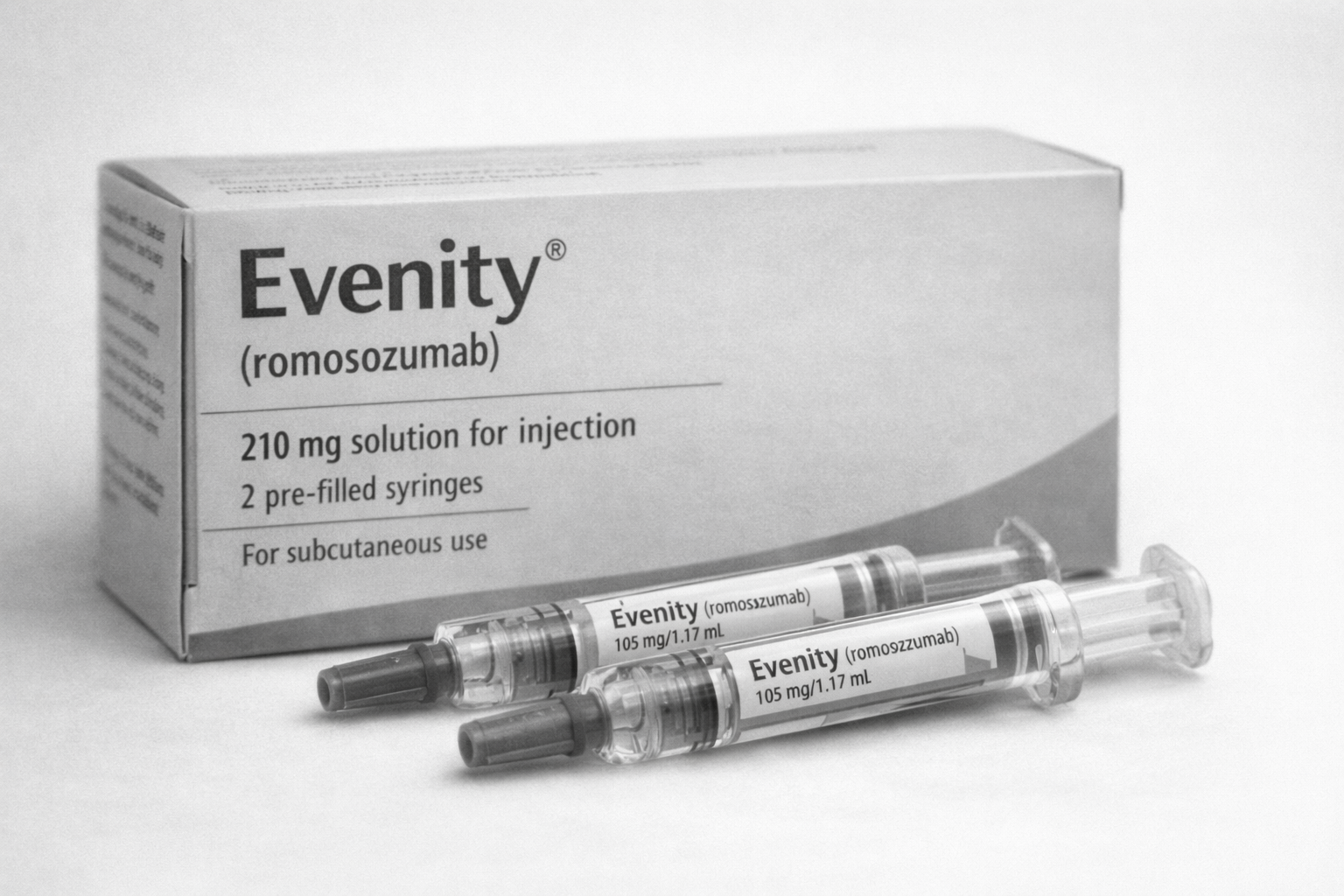
Some patients at higher fracture risk may benefit from treatments that stimulate bone formation.
These specialist treatments may be considered depending on individual circumstances.
Examples include:
teriparatide
romosozumab
other specialist therapies where appropriate
-
Osteoporosis care involves ongoing review of:
treatment response
fracture risk
medication safety
changes in health and risk factors
The aim is to create a long-term plan that protects bone health while matching treatment to the individual patient.
Concerned About Your Bone Health or Fracture Risk?
If you have been diagnosed with osteoporosis, had a fragility fracture, received an abnormal DEXA scan result or have concerns about your long-term bone health, a specialist assessment can help clarify the next steps.
Dr Singh offers consultant-led osteoporosis assessment in London, including review of fracture risk, investigation of contributing factors and personalised advice on treatment options.
When to Consider a Private Osteoporosis Appointment
A private rheumatology assessment may be helpful if you:
have been diagnosed with osteoporosis and want specialist advice
have had a fragility fracture or fracture after a minor injury
have an abnormal DEXA scan and are unsure what it means
are considering starting osteoporosis treatment
have concerns about medications such as bisphosphonates or denosumab (Prolia)
have experienced bone loss associated with long-term steroid treatment
have early menopause or other risk factors affecting bone health
have a family history of osteoporosis or hip fracture
need advice about changing, stopping or monitoring osteoporosis treatment
would like a second opinion about your diagnosis or treatment plan
Osteoporosis management involves more than a scan result. Specialist assessment considers your fracture history, risk factors, medical conditions and treatment preferences to develop an individualised plan.

Why See Dr Singh Privately?
Osteoporosis treatment decisions are not based on a single scan result alone.
The right approach depends on understanding your fracture risk, medical history, previous treatments and any conditions contributing to bone loss.
Patients may seek a private osteoporosis assessment for:
clarification of an osteoporosis diagnosis
interpretation of DEXA scan results
advice after a fragility fracture
concerns about starting or changing treatment
steroid-related bone loss
complex medical conditions affecting bone health
a second opinion about treatment options
Dr Singh combines rheumatology and general internal medicine expertise to assess the wider factors affecting bone health and provide personalised advice about prevention, treatment and long-term monitoring.
The aim is to help patients make informed decisions about protecting their bones and reducing future fracture risk.
Consultant Rheumatologist and General Internal Medicine Physician at the Royal Free Hospital
Clinical Lead for Rheumatology at the Royal Free Hospital
Experience assessing osteoporosis, fragility fractures and complex bone health problems
Specialist interest in osteoporosis associated with inflammatory disease and long-term steroid treatment
Experience reviewing fracture risk, bone density results and treatment options
Experience supporting patients with complex medical backgrounds and multiple treatment considerations
Experience advising on osteoporosis therapies and long-term bone protection strategies
Highly rated by patients on Doctify and Google, with more than 800 patient reviews
Private Osteoporosis Appointments in London
Consultant-Led Osteoporosis Assessment Across London
Dr Singh offers private osteoporosis and bone health assessment across London for patients seeking specialist advice about fracture risk, bone density results and treatment decisions.
Appointments are available for patients with:
osteoporosis or low bone density
fragility fractures
abnormal DEXA scan results
steroid-related bone loss
concerns about osteoporosis medication
complex bone health questions
requests for a second opinion
Self-pay and insured patients are welcome. Self-pay patients can book directly without a GP referral, while insured patients should check their policy requirements before booking.
Private osteoporosis appointments in Central London, near Harley Street, Marylebone and Oxford Circus.
This clinic may be suitable for patients seeking a Central London location or those travelling from outside London.
Private osteoporosis appointments at the Royal Free Hospital in Hampstead.
This provides access to a major tertiary rheumatology environment and Dr Singh’s experience managing complex inflammatory disease and bone health problems.
Private osteoporosis appointments in West London, convenient for Chiswick, Richmond, Ealing, Acton, Hammersmith and surrounding areas.
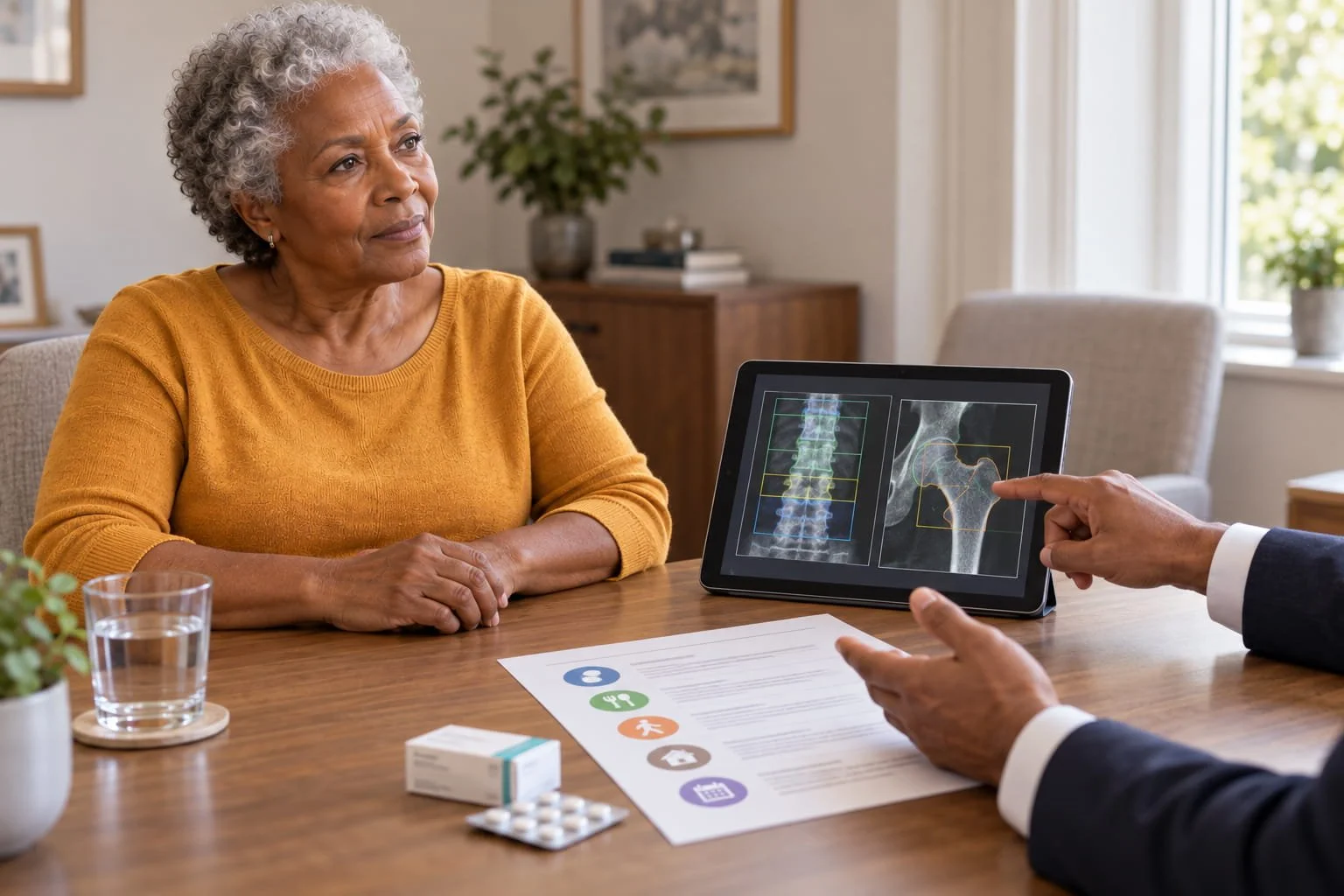
Common Questions About Osteoporosis and Bone Health
These answers cover common questions patients ask when seeking specialist advice about osteoporosis, fracture risk, bone density results and treatment options.
-
Osteoporosis is a condition where bones become weaker and more likely to fracture.
It often develops without symptoms, meaning some people only discover they have osteoporosis after a fracture or a bone density assessment.
-
A DEXA scan measures bone mineral density and helps assess fracture risk.
Whether a scan is appropriate depends on your age, medical history, risk factors and previous fractures.
A specialist assessment can help determine whether further investigation or treatment may be appropriate.
-
A DEXA scan is one part of assessing bone health.
The result is interpreted alongside your overall clinical situation, including:
age
fracture history
family history
steroid exposure
medications
other medical conditions
A specialist review can help explain what your results mean and whether monitoring, lifestyle measures or treatment may be appropriate.
-
Osteopenia and osteoporosis both describe reduced bone density, but they represent different levels of bone strength and fracture risk.
Osteopenia means bone density is lower than expected but does not meet the criteria for osteoporosis.
Osteoporosis represents a greater reduction in bone strength and is associated with an increased risk of fractures.
However, treatment decisions are not based on the DEXA result alone. Your overall fracture risk is considered, including factors such as age, previous fractures, family history, steroid exposure and other medical conditions.
-
A fragility fracture is a fracture that occurs after a relatively minor injury, suggesting that bone strength may be reduced.
Examples include fractures after:
a simple fall from standing height
a minor accident
everyday activities that would not usually break a healthy bone
A fragility fracture can be an important opportunity to assess future fracture risk and bone health.
-
Not everyone with osteopenia requires medication.
Treatment decisions depend on your overall fracture risk, including:
bone density
age
previous fractures
family history
steroid use
other risk factors
Some patients may benefit from monitoring and lifestyle measures, while others may require treatment to reduce fracture risk.
-
The duration of treatment depends on:
the medication being used
your fracture risk
response to treatment
other health factors
Regular review helps ensure that treatment remains appropriate and that the benefits continue to outweigh potential risks.
-
Like all medicines, osteoporosis treatments have potential benefits and risks.
For most patients, the benefit of reducing fracture risk is greater than the potential risk of side effects, but treatment decisions should always be personalised.
A specialist assessment can help balance:
your individual fracture risk
treatment benefits
possible side effects
other medical conditions
your preferences
-
Osteonecrosis of the jaw (ONJ) is a rare complication that has been associated with some osteoporosis treatments, particularly anti-resorptive medications.
The risk is very low in patients treated for osteoporosis.
Good dental health is important, and patients should:
maintain regular dental care
inform their dentist if they are taking osteoporosis medication
discuss planned invasive dental procedures with their healthcare team
The decision to use osteoporosis treatment involves balancing the small risk of complications against the benefit of preventing potentially serious fractures.
-
For many patients, maintaining good oral hygiene and routine dental care is sufficient.
A dental review may be particularly helpful if you have:
significant dental problems
planned major dental procedures
other factors that may increase treatment risks
Your doctor can advise based on your individual circumstances.
-
Denosumab (Prolia) requires careful treatment planning.
If treatment is stopped or significantly delayed, this should always be discussed with your doctor so that an appropriate management plan can be made.
Your treatment plan should consider your ongoing fracture risk and the safest approach to maintaining bone protection.
-
Long-term corticosteroid treatment can increase the risk of bone loss and fractures.
Patients taking steroids for conditions such as:
polymyalgia rheumatica
giant cell arteritis
inflammatory arthritis
other inflammatory diseases
may benefit from assessment of bone health and fracture risk.
-
Calcium and vitamin D are important for maintaining healthy bones, but individual requirements vary depending on diet, lifestyle, medical conditions and fracture risk.
Many people can obtain sufficient calcium through a balanced diet, including foods such as:
dairy products
fortified alternatives
leafy green vegetables
calcium-containing foods
Vitamin D helps the body absorb calcium and is important for maintaining bone health.
Some patients may require supplements, particularly if dietary intake is inadequate or vitamin D levels are low.
A specialist assessment can help determine whether your calcium and vitamin D intake is appropriate for your circumstances.
-
Yes.
A second opinion may be helpful if you are uncertain about:
your diagnosis
DEXA scan results
fracture risk
medication choices
long-term treatment planning
-
Where available, bring:
previous DEXA scan reports
fracture history
blood test results
medication list
details of steroid treatment
previous osteoporosis treatments
information about relevant medical conditions
This helps ensure the assessment is as complete as possible.
-
A GP referral is not required for self-pay appointments.
If you are using private medical insurance, please check your insurer’s requirements before booking.
-
Yes. Dr Singh sees insured patients.
Please check your insurer’s requirements before booking and bring any required authorisation details.
-
Useful patient resources include:
Information and support about osteoporosis, bone health, fractures and living with osteoporosis.
Information about arthritis, inflammatory conditions and related bone health issues.
General information about osteoporosis, risk factors and treatment.
These resources can help you prepare questions for your consultation but should not replace personalised advice from your healthcare team.

Ready to Arrange a Specialist Osteoporosis Assessment?
If you have osteoporosis, a fragility fracture, concerns about your bone density results or questions about treatment options, a specialist assessment can help clarify your fracture risk and the best approach to protecting your bone health.
Dr Singh provides consultant-led osteoporosis assessment in London, combining rheumatology and general medicine expertise with a personalised approach to diagnosis, treatment decisions and long-term bone protection.