Private Sjögren’s Syndrome Specialist in London
Sjögren’s syndrome is an autoimmune condition that commonly causes dry eyes and dry mouth, but it can also be associated with fatigue, joint pain, rashes, nerve symptoms and other systemic features.
Some patients are referred after abnormal autoimmune blood tests, such as positive ANA, anti-Ro/SSA or anti-La/SSB antibodies, while others seek assessment because of persistent dryness, fatigue or unexplained symptoms.
Sjögren’s can vary significantly between patients. Specialist rheumatology assessment can help determine whether symptoms fit Sjögren’s syndrome, another autoimmune condition or a different explanation.
Dr Animesh Singh offers consultant-led assessment in London for patients with suspected Sjögren’s syndrome, dry eyes, dry mouth, fatigue, joint symptoms, abnormal autoimmune blood tests or diagnostic uncertainty.
Private Sjögren’s Syndrome Assessment at a Glance
Interpretation of ANA, ENA, anti-Ro/SSA and anti-La/SSB antibodies
Assessment for associated autoimmune or connective tissue disease
★★★★★ Highly rated by patients on Doctify and Google, with more than 800 patient reviews

Dr Animesh Singh is a Consultant Rheumatologist and General Internal Medicine Physician at the Royal Free Hospital, where he is Clinical Lead for Rheumatology.
At the Royal Free, Dr Singh works in a specialist rheumatology environment where complex autoimmune and connective tissue disease presentations, including Sjögren’s syndrome, are assessed. He offers private assessment in London for patients with suspected Sjögren’s syndrome, dry eyes, dry mouth, fatigue, joint symptoms, abnormal autoimmune blood tests or uncertainty about diagnosis.
Sjögren’s syndrome is often associated with dryness symptoms, but it can also involve fatigue, joint pain, rashes, nerve symptoms and other systemic features. Specialist assessment helps interpret symptoms, examination findings and blood tests in context. Dr Singh’s approach focuses on diagnostic clarity, targeted investigation and a personalised plan for monitoring, symptom control or treatment where appropriate.
He is highly rated by patients on Doctify and Google, with more than 800 patient reviews.

Recognising Possible Sjögren’s Symptoms
Sjögren’s syndrome can cause dryness symptoms, but it may also be associated with fatigue, joint pain and other systemic features.
Symptoms vary between patients, and some people are referred because of abnormal autoimmune blood tests rather than classic dryness symptoms.
🔹 Dry Eyes
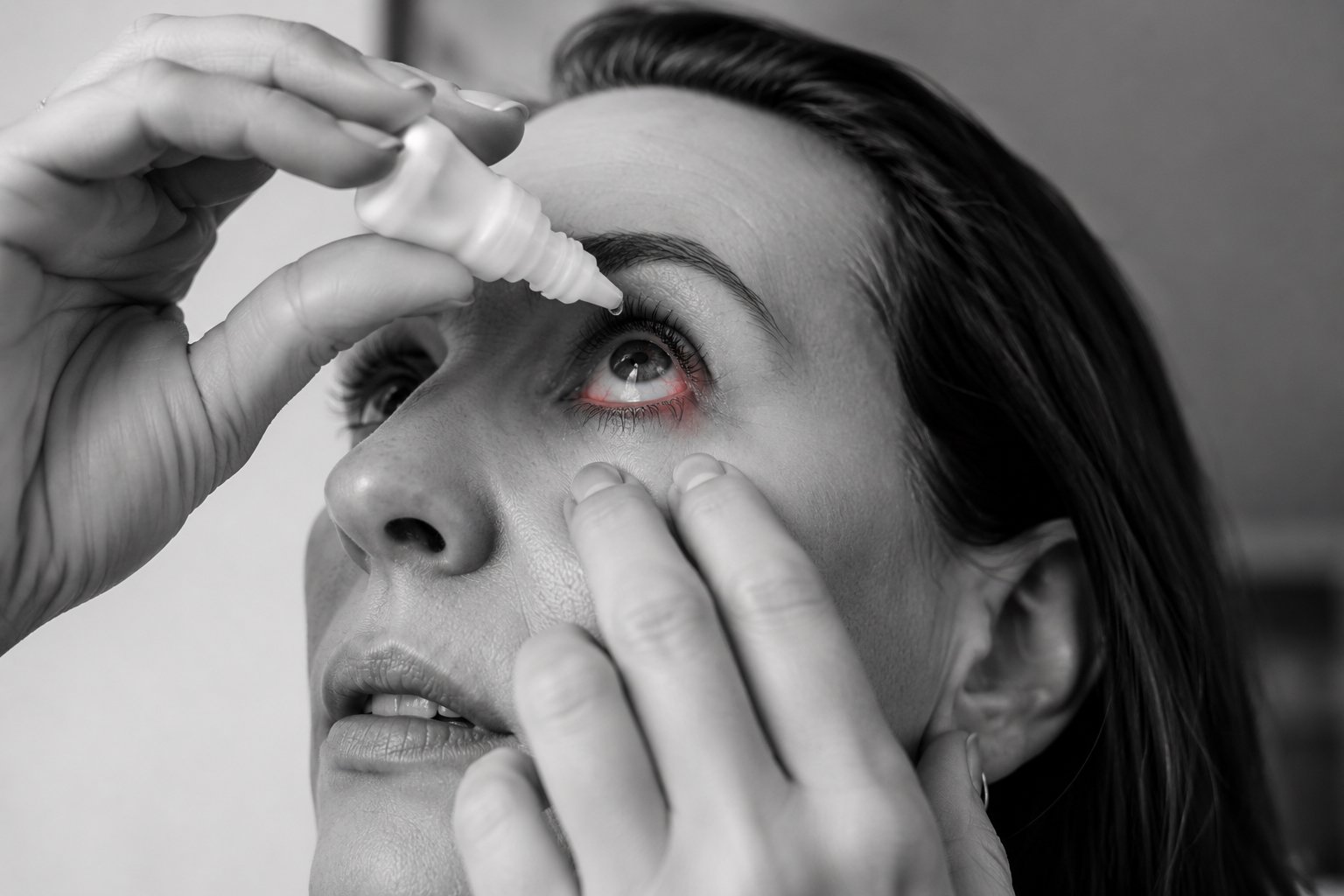
Dry eyes are one of the most common symptoms of Sjögren’s syndrome.
Patients may notice:
gritty or sandy eyes
burning or stinging
redness
light sensitivity
blurred vision that fluctuates
needing frequent lubricating eye drops
🔹 Dry Mouth
Sjögren’s can affect saliva production and cause dry mouth symptoms.
These may include:
needing to sip water frequently
difficulty eating dry foods
waking at night with a dry mouth
dental problems or increased tooth decay
oral discomfort or altered taste
🔹 Systemic or Nerve Symptoms
Some patients have symptoms beyond dryness.
These may include:
rashes
Raynaud’s phenomenon
numbness or tingling
nerve pain
unexplained inflammation
abnormal blood tests
🔹 Joint Pain and Stiffness
Some patients develop joint or muscle symptoms.
These may include:
joint pain
stiffness
aching
symptoms affecting the hands, wrists, knees or other joints
Assessment can help determine whether symptoms are inflammatory, mechanical or related to another rheumatic condition.
A specialist assessment can help determine whether symptoms fit Sjögren’s syndrome, another autoimmune condition or a different explanation.
Understanding Sjögren’s Syndrome
Sjögren’s syndrome is an autoimmune condition that most commonly affects moisture-producing glands, particularly those of the eyes and mouth.
However, Sjögren’s can also be associated with symptoms beyond dryness, which is why specialist assessment may be helpful when symptoms are persistent, complex or unexplained.
-
What Is Sjögren’s Syndrome?
Sjögren’s syndrome is an autoimmune condition in which the immune system affects glands that produce moisture, especially tear and salivary glands.
This can lead to dry eyes and dry mouth, but the condition can also be associated with fatigue, joint pain, rashes, nerve symptoms and other systemic features.
-
Is Sjögren’s Only Dry Eyes and Dry Mouth?
No.
Dry eyes and dry mouth are common features, but Sjögren’s can also affect quality of life through fatigue, pain, sleep disturbance, dental problems and systemic symptoms.
Some patients have mild symptoms, while others require more detailed monitoring or treatment.
-
What Causes Sjögren’s Symptoms?
Symptoms occur because of a combination of reduced gland function, immune system activity and systemic inflammation in some patients.
Dryness symptoms may come from reduced tear or saliva production, while fatigue, joint pain or nerve symptoms may reflect wider autoimmune activity or other contributing factors.
-
What Is Primary Sjögren’s?
Primary Sjögren’s means Sjögren’s occurs as the main autoimmune condition rather than being associated with another diagnosed rheumatic disease.
Patients with primary Sjögren’s may still have systemic symptoms and require monitoring depending on their clinical features.
-
What Is Secondary Sjögren’s?
Secondary Sjögren’s means Sjögren’s occurs alongside another autoimmune rheumatic condition, such as rheumatoid arthritis, lupus or systemic sclerosis.
Assessment helps determine whether symptoms are due to Sjögren’s itself, another autoimmune condition or a separate cause.
-
Can Sjögren’s Affect Other Parts of the Body?
Yes.
In some patients, Sjögren’s can be associated with symptoms affecting the joints, skin, nerves, lungs, kidneys, blood cells or lymph glands.
Not every patient develops systemic involvement, but persistent or unusual symptoms should be assessed in context.
How Sjögren’s Syndrome Is Assessed
Assessment of Sjögren’s syndrome involves understanding the full clinical pattern, not relying on one symptom or one blood test alone.
A specialist rheumatology assessment brings together dryness symptoms, systemic symptoms, examination findings, autoimmune blood tests and other investigations where appropriate.
-
The consultation explores:
dry eye symptoms
dry mouth symptoms
fatigue
joint or muscle symptoms
rashes or Raynaud’s phenomenon
gland swelling
nerve symptoms such as numbness, tingling or pain
medication history
previous autoimmune blood test results
-
Assessment may include review of:
dry eye symptoms and previous ophthalmology findings
dry mouth symptoms
dental problems
salivary gland swelling
treatments already tried
Ophthalmology or dental input may be helpful where symptoms are significant or complications are suspected.
-
Blood tests may help identify autoimmune patterns associated with Sjögren’s syndrome and related connective tissue diseases.
These may include:
ANA
ENA antibodies
anti-Ro/SSA antibodies
anti-La/SSB antibodies
rheumatoid factor
immunoglobulin levels
inflammatory markers
full blood count
kidney and liver function tests
urine testing where appropriate
Blood test results must be interpreted alongside symptoms and examination findings.
-
Where appropriate, assessment may look for features beyond dryness, including:
inflammatory joint symptoms
rashes
nerve symptoms
lung symptoms
kidney involvement
blood count abnormalities
persistent gland swelling
This helps determine whether monitoring or further investigation is needed.
-
After assessment, patients are given a clear explanation of whether symptoms are consistent with Sjögren’s syndrome, another autoimmune condition or an alternative diagnosis.
The plan may include symptom control, monitoring, further investigations, ophthalmology or dental input, or treatment where appropriate.
Treatment and Monitoring Options for Sjögren’s Syndrome
Treatment for Sjögren’s syndrome depends on the symptoms present, severity, systemic features and impact on daily life.
There is no single treatment that is right for every patient. Management may involve dryness treatment, dental and eye protection, treatment of fatigue or joint symptoms, monitoring for systemic features and specialist therapy where appropriate.
-
Dry eye symptoms are often managed with regular lubricating eye drops or gels.
Depending on severity, treatment may include:
preservative-free artificial tears
lubricating gels or ointments
treatment of eyelid inflammation where present
anti-inflammatory eye drops in selected cases
ophthalmology input if symptoms are severe, persistent or causing eye surface problems
The aim is to protect the eye surface, reduce irritation and preserve comfort and vision.
-
Dry mouth management focuses on improving comfort, protecting teeth and reducing complications.
Treatment may include:
frequent sips of water
saliva substitutes
sugar-free chewing gum or lozenges
fluoride toothpaste or dental treatments
regular dental review
treatment of oral thrush or mouth soreness where present
In selected patients, saliva-stimulating medication such as pilocarpine may be considered if suitable.
Dental protection is important because reduced saliva can increase the risk of tooth decay and oral discomfort.
-
Fatigue and pain can be among the most difficult symptoms of Sjögren’s syndrome.
Management may include:
assessing for inflammatory joint disease
treating sleep disturbance, pain drivers or other contributors
graded activity and pacing strategies
physiotherapy or exercise support where appropriate
pain management approaches tailored to the individual
Joint symptoms need careful assessment because they may be due to Sjögren’s itself, another inflammatory arthritis or non-inflammatory causes.
-
Hydroxychloroquine may be considered in selected patients with inflammatory joint symptoms, rashes, fatigue or systemic autoimmune features.
It is not a dryness treatment, and it is not required for every patient with Sjögren’s syndrome.
If used, treatment requires appropriate monitoring, including eye screening according to standard safety guidance.
-
Some patients with Sjögren’s syndrome develop more significant systemic features that require specialist treatment.
This may include involvement of the lungs, kidneys, nerves, blood cells, blood vessels or other organs.
Depending on the clinical pattern, treatment may include immunosuppressive medicines such as methotrexate, azathioprine, mycophenolate or other specialist therapies.
Biologic treatment such as rituximab may be considered in selected specialist situations, particularly where there is significant systemic disease. It is not used routinely for simple dryness symptoms.
Treatment decisions depend on the organs involved, disease severity, previous treatments and potential risks.
-
Monitoring is tailored to the individual patient.
It may include review of:
dryness symptoms
dental and eye complications
fatigue and pain
joint symptoms
nerve symptoms
gland swelling
blood counts
kidney function
urine testing
immunoglobulin levels
inflammatory markers
Persistent gland swelling, unexplained weight loss, night sweats or abnormal blood tests should be assessed carefully.
-
Sjögren’s syndrome care may involve collaboration with other specialists depending on symptoms.
This may include:
ophthalmology for dry eye disease
dentists or oral medicine specialists for mouth and dental complications
neurology for nerve symptoms
respiratory physicians for lung involvement
renal physicians for kidney involvement
dermatology for rashes or skin features
Dr Singh works with specialist colleagues where multidisciplinary input is needed.
Key Message
Sjögren’s syndrome treatment is personalised. Some patients mainly need dryness treatment and monitoring, while others require assessment and treatment for systemic autoimmune features.
The right plan depends on symptoms, antibody profile, organ involvement, severity and individual priorities.
Concerned About Sjögren’s Syndrome or Persistent Dryness Symptoms?
If you have persistent dry eyes, dry mouth, fatigue, joint pain, gland swelling, abnormal autoimmune blood tests or symptoms that may suggest Sjögren’s syndrome, a specialist rheumatology assessment can help clarify the diagnosis and guide the next steps.
Dr Singh offers consultant-led assessment for suspected Sjögren’s syndrome, dryness symptoms, systemic autoimmune features and diagnostic uncertainty.

When to Consider a Private Sjögren’s Appointment
A private rheumatology assessment may be helpful if you:
have persistent dry eyes or dry mouth
have dryness symptoms with fatigue, joint pain or stiffness
have abnormal autoimmune blood tests such as ANA, ENA, anti-Ro/SSA or anti-La/SSB antibodies
have recurrent or persistent salivary gland swelling
have nerve symptoms such as numbness, tingling or nerve pain
have rashes, Raynaud’s phenomenon or other autoimmune symptoms
have unexplained inflammation, abnormal blood counts or urine abnormalities
have been told you may have Sjögren’s syndrome but remain uncertain about the diagnosis
need advice about monitoring, treatment or systemic features
would like a second opinion about symptoms, blood tests or previous assessments
Sjögren’s syndrome can vary significantly between patients. Specialist assessment helps determine whether symptoms fit Sjögren’s, another autoimmune condition or a different explanation.

Why See Dr Singh Privately?
Sjögren’s syndrome can be difficult to diagnose because dryness, fatigue, joint pain and abnormal blood tests may have several possible explanations.
Patients may seek a private rheumatology assessment for:
clarification of whether symptoms fit Sjögren’s syndrome
interpretation of ANA, ENA, anti-Ro/SSA and anti-La/SSB antibodies
assessment of fatigue, joint pain, rashes or nerve symptoms
review of persistent dry eyes, dry mouth or gland swelling
advice about treatment options beyond simple symptom relief
assessment for systemic features or associated autoimmune disease
coordination with other specialists where needed
a second opinion after previous investigations
Dr Singh’s approach focuses on understanding the full clinical pattern, interpreting autoimmune blood tests in context and developing a personalised plan for symptom control, monitoring or further investigation.
The aim is to provide clarity, reassurance where appropriate and a treatment plan that reflects the individual impact of Sjögren’s syndrome.
Consultant Rheumatologist and General Internal Medicine Physician at the Royal Free Hospital
Clinical Lead for Rheumatology at the Royal Free Hospital
Works in a specialist Royal Free rheumatology environment where complex autoimmune and connective tissue disease presentations, including Sjögren’s syndrome, are assessed
Experience assessing dry eyes, dry mouth, fatigue, joint pain, gland swelling and systemic symptoms
Experience interpreting ANA, ENA, anti-Ro/SSA, anti-La/SSB and other autoimmune blood tests in clinical context
Works with specialist colleagues in ophthalmology, oral medicine, neurology, respiratory medicine, renal medicine and dermatology where multidisciplinary input is needed
Experience assessing associated autoimmune rheumatic conditions and diagnostic uncertainty
Experience developing personalised monitoring and treatment plans for patients with systemic autoimmune symptoms
Highly rated by patients on Doctify and Google, with more than 800 patient reviews
Private Sjögren’s Appointments in London
Consultant-Led Sjögren’s Syndrome and Autoimmune Assessment Across London
Dr Singh offers private assessment for patients with suspected Sjögren’s syndrome, persistent dryness symptoms, fatigue, joint pain, abnormal autoimmune blood tests and symptoms that may suggest connective tissue disease.
Appointments are available for patients with:
suspected Sjögren’s syndrome
persistent dry eyes or dry mouth
fatigue, joint pain or systemic symptoms
positive ANA, ENA, anti-Ro/SSA or anti-La/SSB antibodies
recurrent or persistent salivary gland swelling
nerve symptoms such as numbness, tingling or nerve pain
uncertainty about diagnosis, monitoring or treatment options
requests for a second opinion
Self-pay and insured patients are welcome. Self-pay patients can book directly without a GP referral, while insured patients should check their policy requirements before booking.
Private Sjögren’s syndrome and autoimmune assessments in Central London, near Harley Street, Marylebone and Oxford Circus.
This clinic may be suitable for patients seeking a Central London location or those travelling from outside London.
Private Sjögren’s syndrome and autoimmune appointments at the Royal Free Hospital in Hampstead.
This provides access to a major tertiary rheumatology environment where complex autoimmune and connective tissue disease presentations are assessed.
Private Sjögren’s syndrome and autoimmune appointments in West London, convenient for Chiswick, Richmond, Ealing, Acton, Hammersmith and surrounding areas.

Common Questions About Sjögren’s Syndrome
These answers cover common questions patients ask when seeking specialist assessment for suspected Sjögren’s syndrome, dry eyes, dry mouth, fatigue, joint pain, abnormal autoimmune blood tests or systemic symptoms.
-
Sjögren’s syndrome is an autoimmune condition that commonly affects moisture-producing glands, particularly the eyes and mouth.
It can cause dry eyes and dry mouth, but it may also be associated with fatigue, joint pain, rashes, nerve symptoms and other systemic features.
-
No.
Dry eyes and dry mouth are common features, but Sjögren’s can also affect general wellbeing and may be associated with symptoms beyond dryness.
These may include fatigue, joint pain, gland swelling, rashes, Raynaud’s phenomenon, nerve symptoms or abnormal blood tests.
-
Early symptoms may include:
gritty, burning or dry eyes
dry mouth
needing to sip water frequently
difficulty eating dry foods
fatigue
joint pain or stiffness
swollen salivary glands
abnormal autoimmune blood tests
Symptoms vary, and some patients are investigated because of blood test results before dryness symptoms are recognised.
-
Yes.
Fatigue can be a significant symptom of Sjögren’s syndrome and may affect work, concentration, activity levels and quality of life.
Assessment is important because fatigue can have several causes, including autoimmune activity, pain, poor sleep, medication effects, anaemia, thyroid disease or other medical conditions.
-
Yes.
Sjögren’s can be associated with joint pain, stiffness or inflammatory symptoms.
Assessment helps determine whether joint symptoms are related to Sjögren’s, another inflammatory arthritis or a non-inflammatory cause.
-
Yes, in some patients.
Sjögren’s may be associated with nerve symptoms such as numbness, tingling, burning pain or altered sensation.
These symptoms should be assessed carefully, particularly if they are persistent, progressive or affecting function.
-
Blood tests may include:
ANA
ENA antibodies
anti-Ro/SSA antibodies
anti-La/SSB antibodies
rheumatoid factor
immunoglobulin levels
inflammatory markers
full blood count
kidney and liver function tests
urine testing where appropriate
Blood test results are interpreted alongside symptoms, examination findings and other investigations.
-
Anti-Ro/SSA and anti-La/SSB antibodies are autoimmune antibodies that may be associated with Sjögren’s syndrome and other connective tissue diseases.
Their significance depends on the overall clinical picture.
A positive antibody result does not automatically explain all symptoms, and a negative antibody result does not always exclude Sjögren’s in every situation.
-
Some patients with dryness symptoms or suspected Sjögren’s may not have strongly positive autoimmune blood tests.
Assessment depends on the overall pattern of symptoms, examination findings, eye or mouth assessments and other investigations where appropriate.
-
Primary Sjögren’s means Sjögren’s occurs as the main autoimmune condition.
It can still be associated with systemic symptoms and may require monitoring depending on the individual clinical pattern.
-
Secondary Sjögren’s means Sjögren’s occurs alongside another autoimmune rheumatic condition, such as rheumatoid arthritis, lupus or systemic sclerosis.
Assessment helps determine whether symptoms are due to Sjögren’s itself, another autoimmune condition or a separate cause.
-
Yes, in some patients.
Sjögren’s may be associated with systemic features affecting the joints, skin, nerves, lungs, kidneys, blood cells or lymph glands.
Not every patient develops organ involvement, but persistent, unusual or progressive symptoms should be assessed in context.
-
Yes.
Sjögren’s can cause salivary gland swelling, often around the jaw or cheeks.
Persistent, recurrent, painful or one-sided gland swelling should be assessed carefully, particularly if it is associated with systemic symptoms or abnormal blood tests.
-
Yes.
Treatment depends on the symptoms present and whether there are systemic features.
Management may include dry eye treatment, dry mouth measures, dental protection, treatment of joint or systemic symptoms, monitoring and specialist therapy where appropriate.
-
Treatment may include:
lubricating eye drops, gels or ointments
saliva substitutes
dental protection and fluoride treatment
saliva-stimulating medication such as pilocarpine in selected patients
hydroxychloroquine for selected inflammatory symptoms
immunosuppressive treatment in selected patients with systemic involvement
biologic treatment such as rituximab in selected specialist situations
Treatment decisions depend on symptoms, severity, systemic involvement and individual patient factors.
-
No.
Hydroxychloroquine may be considered in selected patients with inflammatory joint symptoms, rashes, fatigue or systemic autoimmune features.
It is not a treatment for dryness alone and is not required for every patient with Sjögren’s syndrome.
-
Often, yes.
Ophthalmology input can be helpful for significant dry eye symptoms or eye surface problems.
Dental review is important because reduced saliva can increase the risk of tooth decay, oral discomfort and mouth infections.
Some patients may also need input from oral medicine specialists.
-
Monitoring depends on the individual clinical pattern.
It may include review of:
eye and mouth symptoms
dental complications
fatigue and pain
joint symptoms
gland swelling
nerve symptoms
blood counts
kidney function
urine testing
immunoglobulin levels
inflammatory markers
Monitoring is personalised according to symptoms and risk factors.
-
Yes.
A second opinion may be helpful if:
you are uncertain about the diagnosis
symptoms have not been explained
blood test results are confusing
dryness symptoms are persistent
fatigue or joint pain is affecting daily life
you are unsure about monitoring or treatment recommendations
-
Where available, bring:
previous blood test results
autoimmune antibody results
ophthalmology reports
dental or oral medicine reports
clinic letters
scan reports
medication list
details of treatments already tried
a timeline of symptoms
This helps ensure the assessment is as complete as possible.
-
A GP referral is not required for self-pay appointments.
If you are using private medical insurance, please check your insurer’s requirements before booking.
-
Yes. Dr Singh sees insured patients.
Please check your insurer’s requirements before booking and bring any required authorisation details.
-
Useful patient resources include:
Information and support for people affected by Sjögren’s syndrome.
Information about assessment and management of Sjögren’s.
General information about Sjögren’s syndrome, symptoms and treatment.
These resources can help you understand your symptoms and prepare questions for your consultation, but they should not replace personalised medical advice.

Ready to Arrange a Specialist Sjögren’s Syndrome Assessment?
If you have persistent dry eyes, dry mouth, fatigue, joint pain, gland swelling, abnormal autoimmune blood tests or concern about Sjögren’s syndrome, a specialist rheumatology assessment can help clarify the diagnosis and guide appropriate monitoring or treatment.
Dr Singh provides consultant-led Sjögren’s syndrome and connective tissue disease assessment in London, combining specialist rheumatology expertise with experience in complex autoimmune and systemic presentations.
Related Autoimmune Conditions
Sjögren’s syndrome can overlap with symptoms and blood test patterns seen in other autoimmune rheumatic conditions.
If your symptoms suggest a different or related pattern, these pages may also be helpful.